Adaptive Loyalty Mechanics Linking Reel Bonus Ladders to Wheel Multiplier Tiers in Emerging Asian Digital Gaming Markets
Written by Morgan Günther · Jun 23, 2026
Adaptive Loyalty Mechanics Linking Reel Bonus Ladders to Wheel Multiplier Tiers in Emerging Asian Digital Gaming Markets
Emerging Asian digital gaming markets have seen rapid integration of adaptive loyalty mechanics that tie reel bonus ladders directly to wheel multiplier tiers. These systems track player activity across slot-style reels and spinning wheel features, then adjust rewards based on accumulated progress points. Operators in the Philippines, Malaysia, and Vietnam have rolled out such frameworks since early 2025, with further refinements appearing in June 2026 alongside updated compliance guidelines from local regulators.
How Adaptive Loyalty Systems Operate
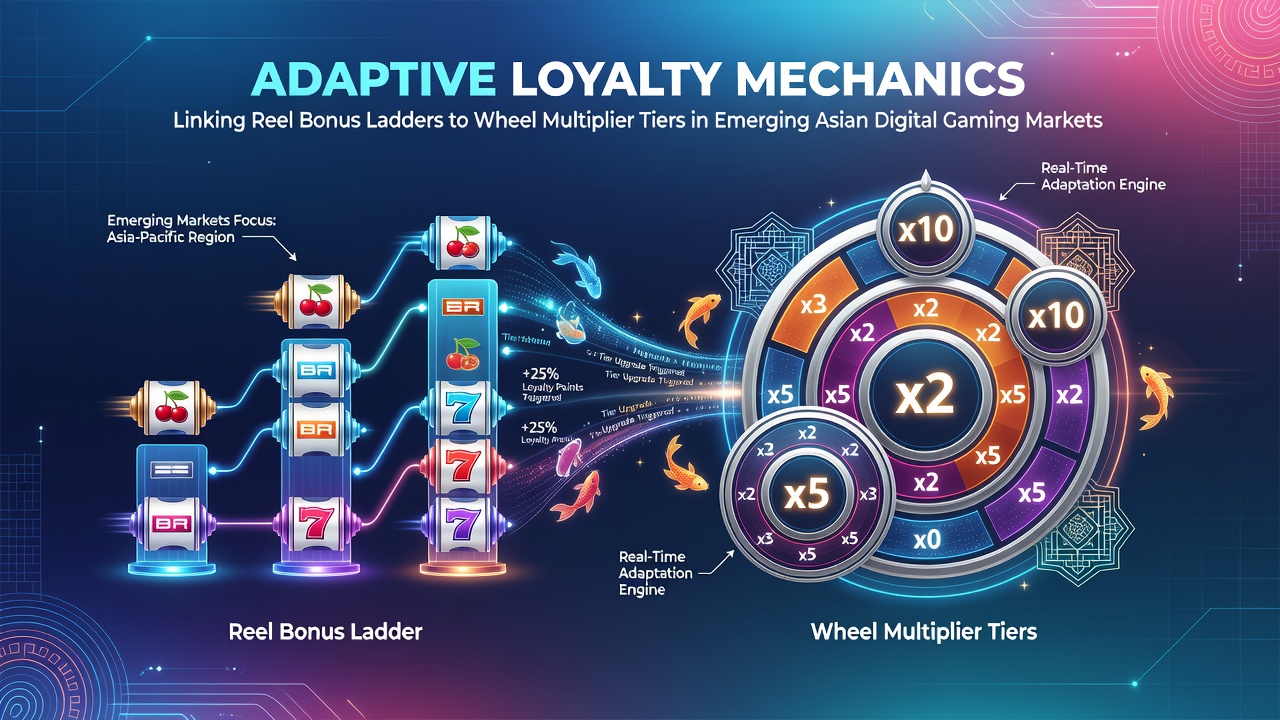
Reel bonus ladders function as progressive tiers where players earn incremental rewards after completing sequences of spins on digital slot machines. Each completed ladder level generates loyalty tokens that feed into a parallel wheel multiplier structure. When a player activates the wheel feature, the multiplier tier scales according to the highest ladder stage reached, creating a direct linkage between the two mechanics. Data from platform operators shows that this connection increases session duration by mapping reel progress to wheel outcomes in real time.
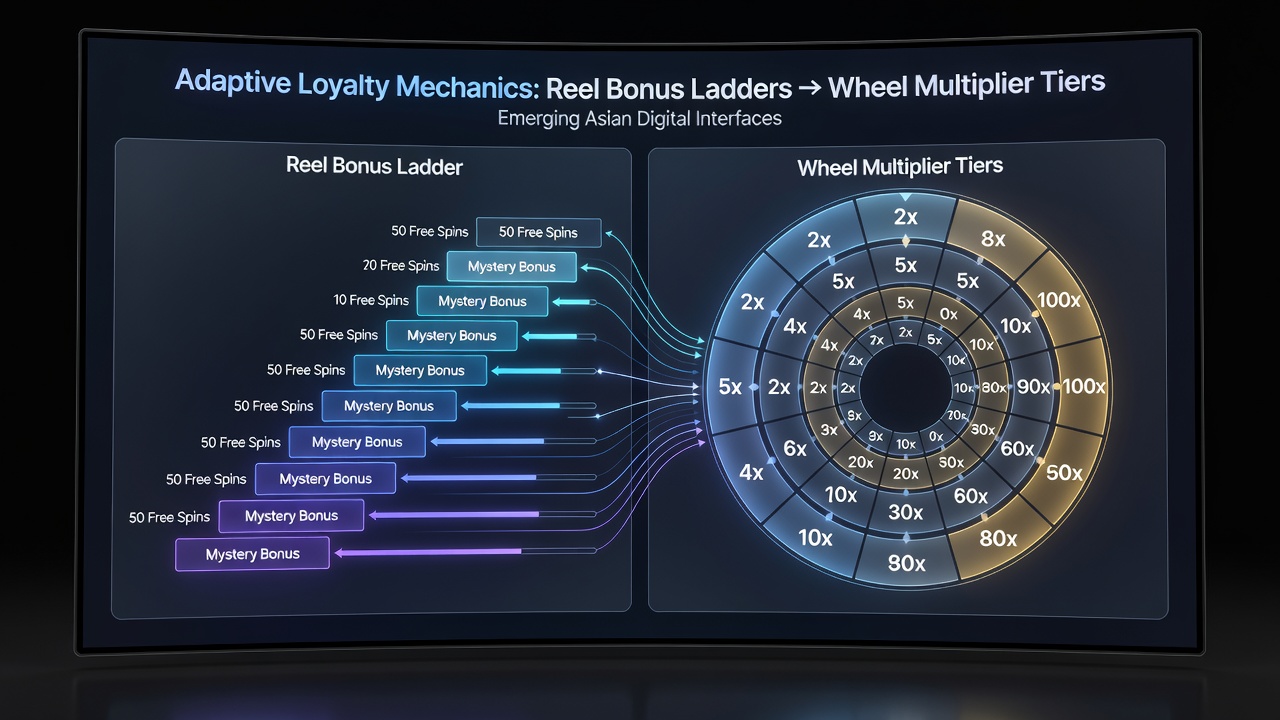
Wheel multiplier tiers operate on a separate but synchronized scale. Lower tiers deliver standard multipliers between 1x and 5x, while higher tiers unlocked through reel ladder advancement push multipliers into ranges of 10x to 50x. The adaptive element adjusts these ranges dynamically based on player frequency and total wager volume over defined periods. Researchers tracking these platforms note that the synchronization reduces reward duplication and channels player effort toward consistent engagement patterns.
Implementation Across Key Asian Markets
The Philippines has emerged as a leading testing ground for these linked systems. Licensed operators under PAGCOR oversight introduced adaptive loyalty modules in late 2025 that connect reel ladders to wheel multipliers within the same mobile application. Players accumulate ladder points through reel sequences and then apply those points to elevate wheel multipliers during dedicated spin rounds. Figures released by industry associations indicate that adoption rates in this market reached 68 percent among digital platforms by May 2026.
Malaysia and Vietnam followed with similar deployments. In Malaysia, operators integrated the mechanics into live dealer hybrids that blend reel elements with wheel outcomes. Vietnamese platforms focused on mobile-first versions that allow seamless transitions between reel sessions and wheel activations without resetting loyalty progress. A report from the Asian Institute of Gaming Studies found that these regional variations maintain core linkage principles while adapting to local payment preferences and device usage patterns.
Technical Integration and Data Tracking
Backend systems rely on unified player profiles that log every reel spin and wheel activation in a single database. Tokens generated from reel bonus ladders transfer automatically to the wheel multiplier engine, where algorithms recalculate available tiers at the start of each new session. This process occurs without player intervention, though users receive visual notifications when ladder progress unlocks higher multiplier brackets.
Security protocols include encrypted token ledgers that prevent manipulation across the linked systems. Operators conduct regular audits to verify that multiplier tiers reflect accurate ladder achievements. In June 2026, several platforms in Singapore and Thailand incorporated additional verification layers following updates to regional digital gaming standards.
Player Progression Patterns and Market Data
Tracking studies reveal distinct progression patterns once the linkage activates. Players who reach mid-level reel ladders tend to engage wheel features more frequently, with average multiplier selections rising from 3x to 12x within the first week of consistent play. Market data compiled by regional trade groups shows that platforms using these mechanics report a 22 percent increase in cross-feature activity compared to standalone reel or wheel offerings.
Retention metrics further demonstrate the impact. Accounts that maintain active linkage between ladders and multipliers show lower churn rates over 90-day windows. Observers note that the system encourages balanced participation rather than concentration on a single game type, which aligns with regulatory preferences for diversified play in emerging markets.
Regulatory Context in June 2026
June 2026 brought several regulatory clarifications across Southeast Asia concerning loyalty linkage transparency. Authorities in the Philippines and Malaysia required operators to display clear mappings between reel progress and wheel multipliers within user interfaces. These measures aim to ensure players understand how their accumulated points influence multiplier availability. Compliance reports indicate that most major platforms completed the necessary interface updates by mid-June.
Additional guidelines addressed data privacy for the unified tracking systems. Operators must now provide players with options to review their token history and request adjustments if discrepancies appear. Industry organizations have published best-practice documents outlining minimum disclosure standards for these adaptive mechanics.
Conclusion
Adaptive loyalty mechanics that connect reel bonus ladders to wheel multiplier tiers have become a defining feature of digital gaming expansion in emerging Asian markets. The technical linkage, regional adaptations, and regulatory refinements observed through June 2026 illustrate how operators align reward structures with player activity data. Continued monitoring by industry groups and academic researchers will track how these systems evolve alongside broader market developments.