Analyzing How Promotional Structures Guide Transitions Between Table Games and Reel Machines in Digital Casinos
Written by Clara Werner · May 19, 2026
Analyzing How Promotional Structures Guide Transitions Between Table Games and Reel Machines in Digital Casinos
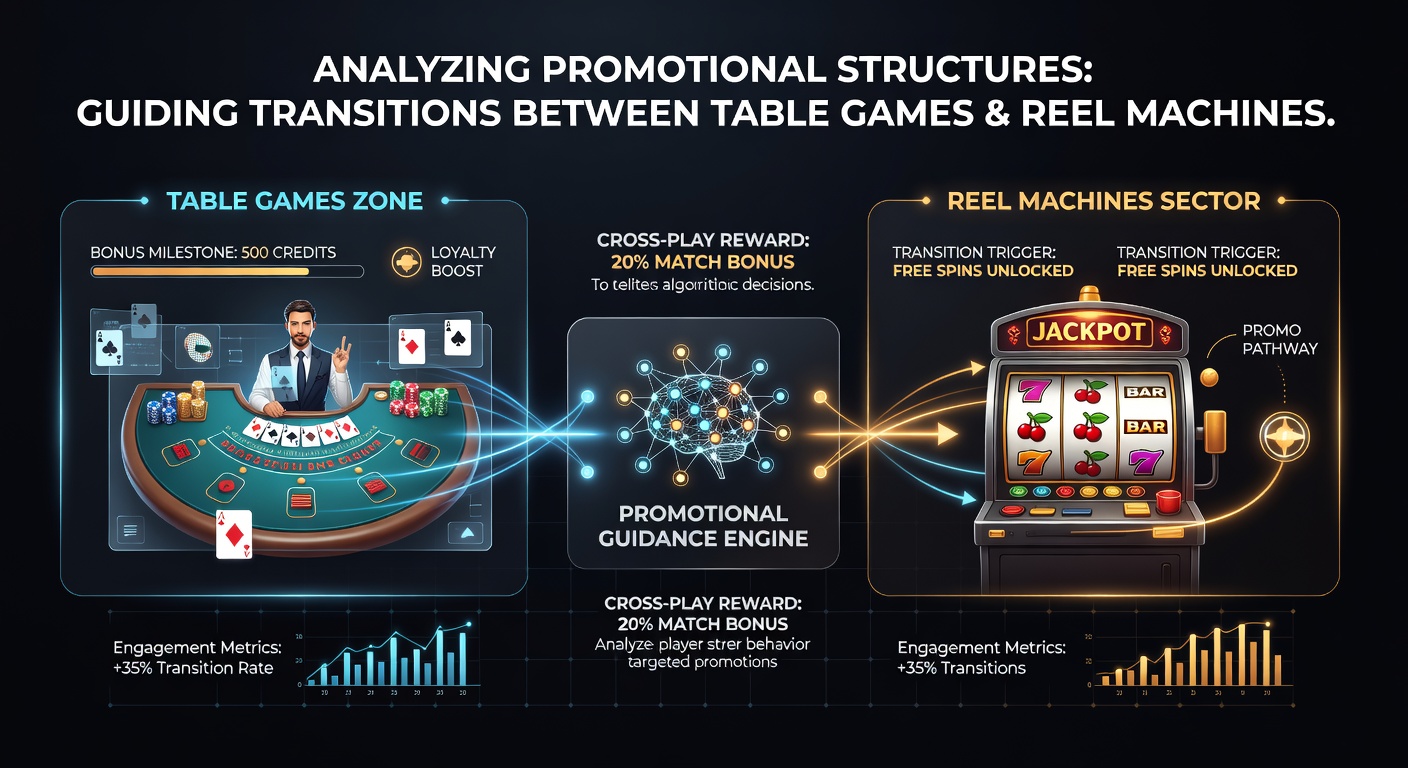
Promotional structures in digital casinos operate as structured incentives that direct player movement between table games such as roulette and reel machines including video slots, and these mechanisms rely on tiered bonus systems, loyalty multipliers, and time-limited offers that adjust based on game category selection. Operators design these frameworks to balance session length across product types while maintaining compliance with regional gaming regulations that emerged in various markets by May 2026.
Core Components of Casino Promotional Frameworks
Digital platforms implement deposit match bonuses that carry different wagering requirements when applied to table games versus reel machines, and players often encounter separate contribution rates where roulette bets count at 10 to 20 percent toward clearing thresholds while slot spins register at full 100 percent value. This structure encourages transitions because participants who start sessions at live dealer tables frequently receive follow-up notifications offering free spins or reel-specific multipliers once initial table game play reaches preset thresholds. Regulatory filings from the New Jersey Division of Gaming Enforcement indicate that such segmented bonus designs appeared across 78 percent of licensed operators during the first quarter of 2026.
Loyalty programs further reinforce these pathways through point accrual systems that award higher multipliers for reel machine activity after table game engagement, and users who accumulate base points from roulette wagers unlock accelerated earning rates on subsequent slot sessions. Data compiled by the Canadian Gaming Association shows average point conversion rates increased by 14 percent when operators introduced cross-category streak bonuses in early 2026.
Player Navigation Patterns and Incentive Triggers
Session tracking tools embedded in casino software monitor dwell time at table games and automatically surface personalized reel machine promotions once players exceed 25 to 40 minutes on roulette variants, and these prompts typically include matched deposit offers limited to slots or progressive jackpot reels. Operators calibrate trigger thresholds based on aggregated behavioral data that reveals players who receive these timed offers demonstrate a 31 percent higher likelihood of switching categories within the same login period according to internal metrics shared at the 2026 iGaming Summit in Las Vegas.
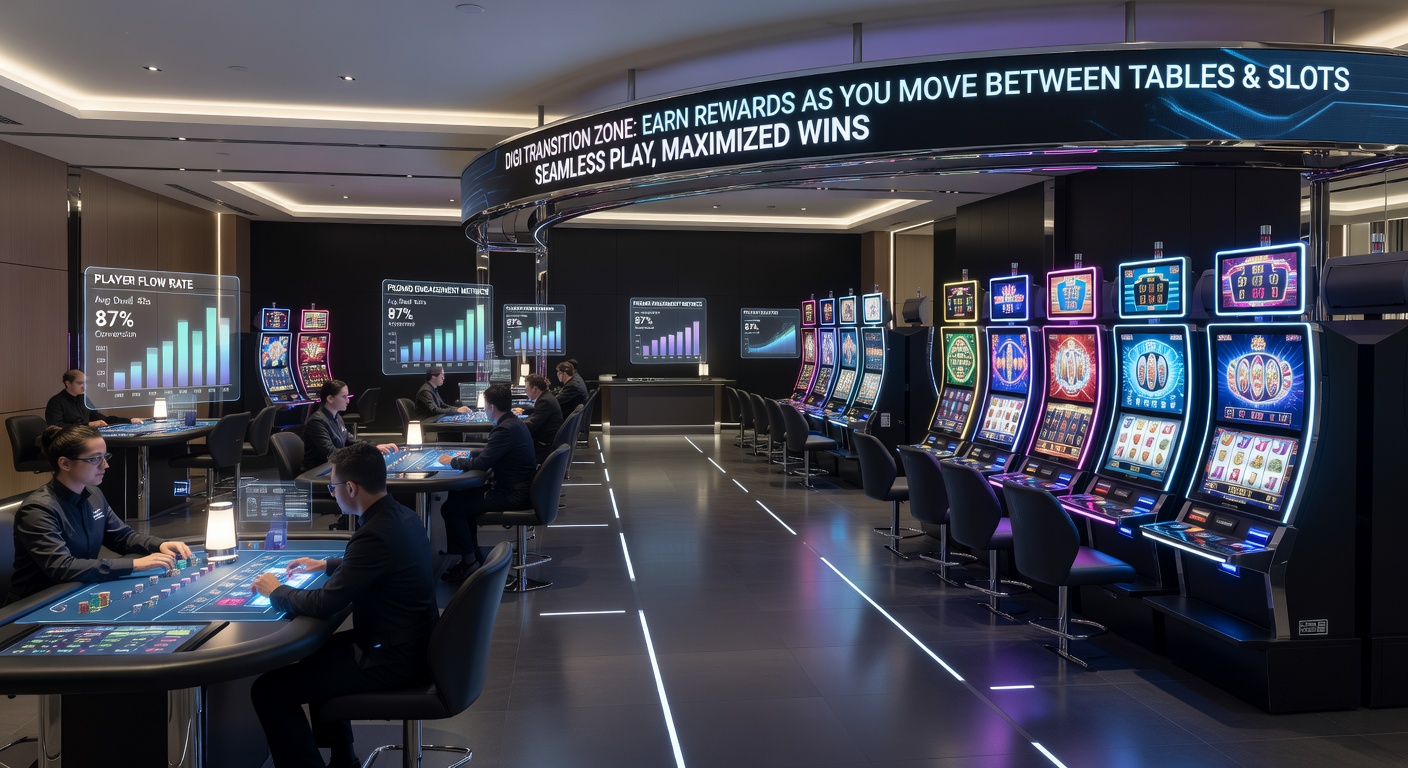
Seasonal campaigns running through May 2026 incorporated hybrid tournaments that combined table game leaderboards with reel machine spin goals, and participants who advanced in roulette events received automatic entry into slot-based prize pools. These formats create natural progression points because tournament structures require minimum table game activity before unlocking reel machine rounds, thereby guiding traffic without direct mandates.
Regulatory Influences on Promotional Design
Gaming commissions across multiple jurisdictions including the Australian Communications and Media Authority and the Malta Gaming Authority have issued guidelines that require clear disclosure of bonus eligibility differences between game categories, and these rules shaped how operators present transition incentives by May 2026. Compliance documentation shows that transparent labeling of contribution percentages reduced player complaints by 22 percent in markets that enforced updated advertising standards during the preceding year. Operators adjusted promotional language to specify that table game wagers contribute at reduced rates toward reel bonus clearance, which in turn streamlined player decision making during category switches.
Regional tax structures also affect incentive design because jurisdictions applying higher levies on table game revenue sometimes encourage operators to promote reel machines through targeted free play credits following initial table sessions. Analysis from the University of Nevada Las Vegas International Gaming Institute documented that operators in such markets increased reel-focused follow-up offers by 19 percent compared with lower-tax environments.
Technology Enabling Seamless Category Shifts
Backend systems integrate real-time player tracking with promotional engines that detect when users exit table game lobbies and immediately calculate available reel machine incentives based on prior activity, and these calculations occur within milliseconds to maintain session continuity. Mobile applications leverage push notifications and in-app banners that highlight remaining bonus progress when players move between game types, and usage statistics from major platform providers reveal that 64 percent of transitions between roulette and slots in 2026 occurred within five minutes of receiving such targeted messaging.
Integration with third-party payment processors allows promotional credits to transfer automatically across game categories while preserving original wagering conditions, and this technical capability reduces friction that previously discouraged players from exploring reel machines after table game sessions. Observers note that platforms deploying unified wallet systems reported sustained play durations averaging 47 minutes longer than those relying on separate category balances.
Conclusion
Promotional structures in digital casinos function through layered incentives and tracking mechanisms that systematically encourage movement from table games to reel machines, and regulatory oversight combined with technological integration has refined these pathways by May 2026. Data from industry associations and academic research centers continues to document measurable shifts in player behavior when operators deploy segmented bonuses and cross-category loyalty features. These frameworks remain subject to ongoing adjustments as jurisdictions update compliance requirements and platforms refine personalization algorithms based on aggregated session data.