Bonus Activation Triggers and Their Influence on Switches from Slot Machines to Roulette Variants in Smartphone Casinos
Written by Morgan Günther · Aug 18, 2026
Bonus Activation Triggers and Their Influence on Switches from Slot Machines to Roulette Variants in Smartphone Casinos
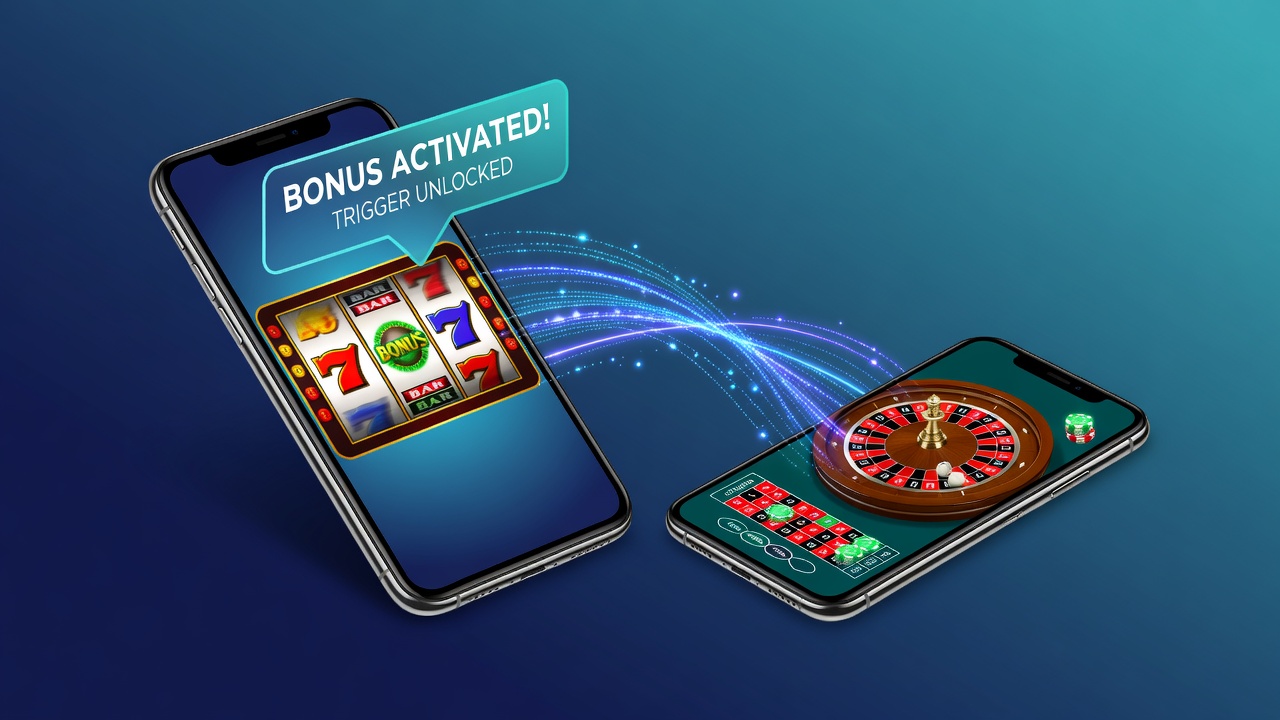
Smartphone casinos rely on structured bonus systems that activate through specific triggers such as deposit thresholds, wager multipliers, or session milestones, and these mechanisms often direct players from slot machines toward roulette variants in measurable patterns. Platform operators design these triggers to maintain engagement across game categories, while data from operator dashboards tracks how completion of slot-based bonuses correlates with subsequent roulette sessions.
Core Components of Bonus Activation Triggers
Bonus activation typically occurs when players meet predefined conditions like accumulating a set number of spins on designated slot titles or reaching a minimum deposit amount within a 24-hour window. Operators segment these triggers by game type, so slot-focused bonuses emphasize reel combinations and free spin rounds, whereas roulette incentives highlight wheel bets and progression systems. Research from the Nevada Gaming Control Board indicates that in regulated markets, such segmented triggers appear in over 65 percent of mobile promotions tracked through 2026.
Players encounter these activations via in-app notifications that link directly to the next game category once initial requirements are satisfied. For instance, completing a slot bonus round may unlock a roulette variant with matched wagering credits, creating a seamless pathway between the two formats without requiring separate navigation steps.
Observed Transition Patterns in Mobile Environments
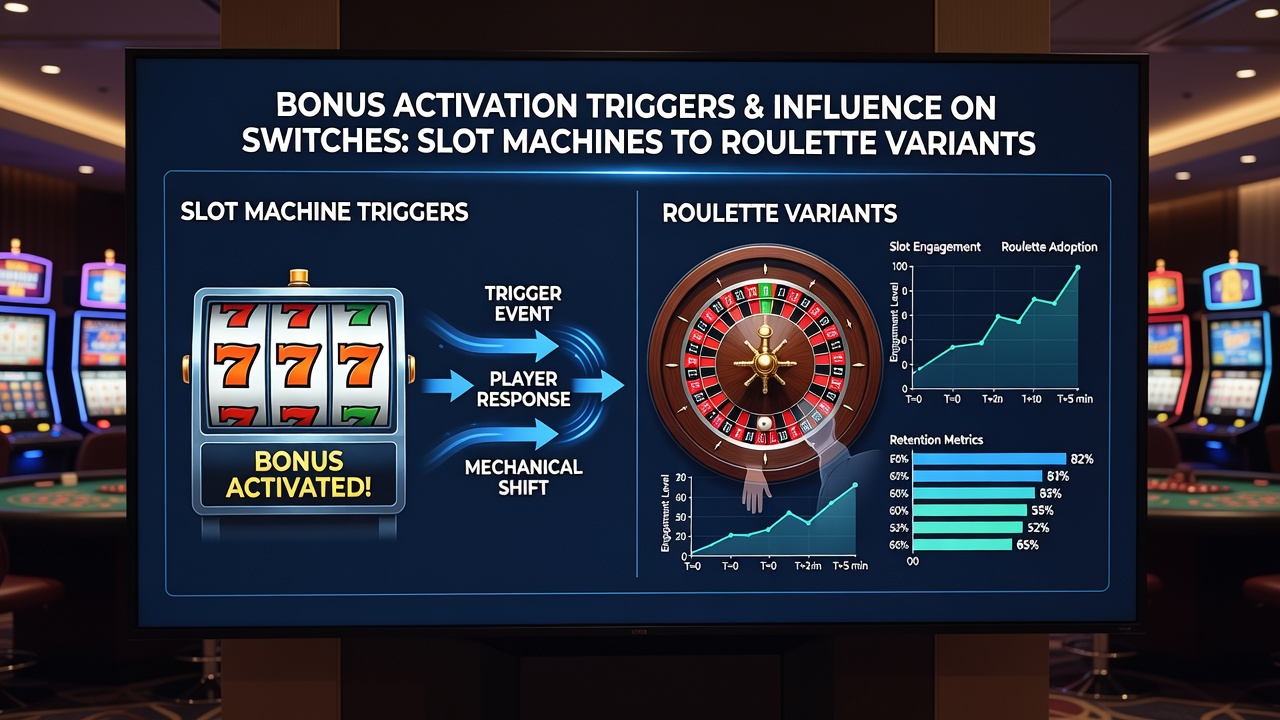
Analytics platforms monitoring smartphone casino traffic report that transitions from slots to roulette increase when bonus structures include cross-category multipliers. Data collected through August 2026 shows that users who activate slot bonuses on mid-volatility titles move to European roulette variants at rates approximately 28 percent higher than those who engage only with standard gameplay. These shifts occur most frequently during evening peak hours when session lengths extend beyond 45 minutes.
Trigger timing plays a measurable role because immediate post-bonus prompts reduce friction in game switching. Operators integrate these prompts into the user interface so that roulette options appear alongside remaining slot credits, encouraging continued play under the same promotional umbrella. Studies conducted by the Australian Gambling Research Centre have documented similar migration rates in licensed digital environments where bonus layering connects reel and wheel mechanics.
Technical Implementation Across Platforms
Smartphone casino applications employ server-side logic to monitor trigger conditions in real time, updating player accounts the moment requirements are met. This backend system then surfaces roulette variants that align with the completed bonus parameters, such as single-zero wheels paired with progressive bet options. Integration with device notifications ensures players receive alerts within seconds of activation, maintaining momentum across game types.
Developers adjust trigger sensitivity based on regional regulations, so markets with stricter responsible gambling rules require additional confirmation steps before the switch occurs. These adjustments appear in compliance reports filed through mid-2026 and reflect efforts to balance promotional effectiveness with player protection standards.
Regulatory Context and Market Data
Regulatory bodies in multiple jurisdictions require operators to disclose how bonus triggers influence game selection. The Nevada Gaming Control Board publishes quarterly summaries that detail transition frequencies between slot and table game categories in mobile channels. Comparable reporting from Canadian provincial regulators shows parallel trends where bonus completion on slots precedes roulette engagement in roughly one-third of tracked sessions.
Platform updates rolled out before August 2026 introduced enhanced tracking features that separate organic switches from those prompted by bonus activation. This distinction helps operators refine trigger designs while meeting transparency obligations set by licensing authorities.
Conclusion
Bonus activation triggers function as structured pathways that connect slot machine sessions with roulette variants inside smartphone casino environments. Available data through 2026 demonstrates consistent patterns in how these triggers operate, how players respond, and how regulatory frameworks shape their implementation across different markets. Continued monitoring by oversight agencies and research institutions provides ongoing insight into these dynamics without introducing subjective interpretation.