Demographic Influences on Choices Between Reel Automation and Wheel Interaction in Permitted Virtual Casino Settings
Written by Morgan Günther · Aug 23, 2026
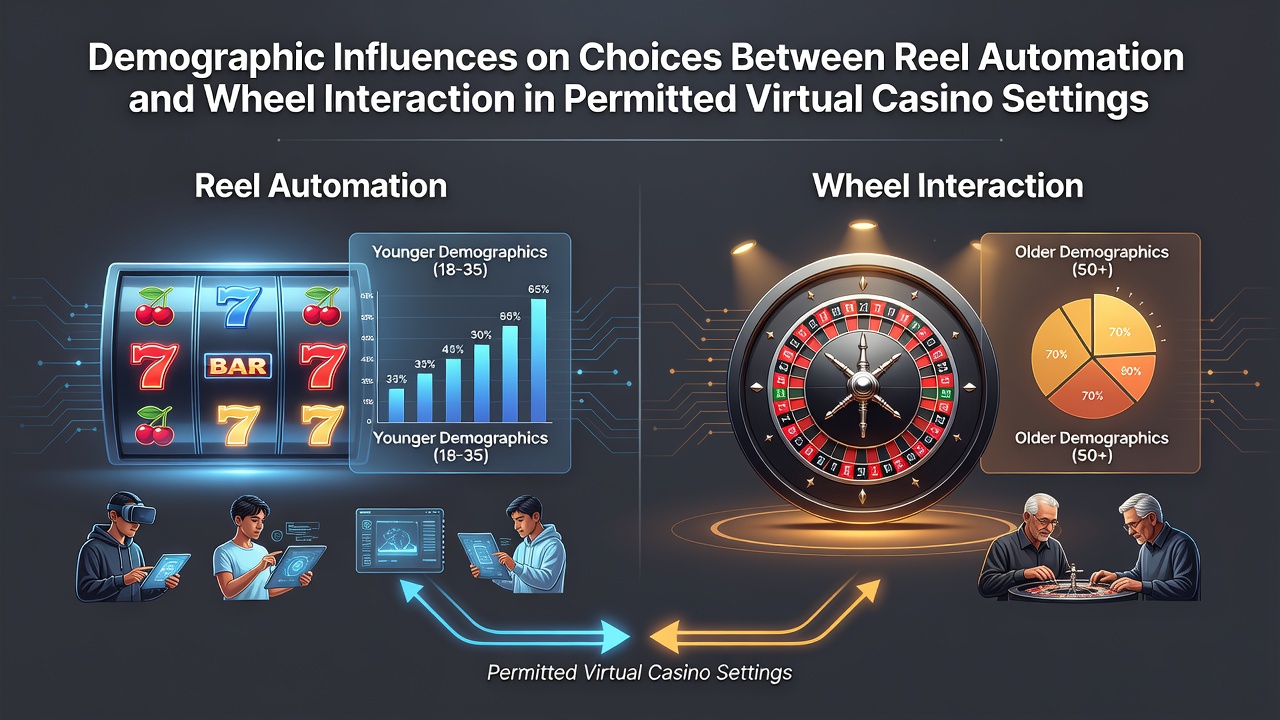
Demographic Influences on Choices Between Reel Automation and Wheel Interaction in Permitted Virtual Casino Settings
Players in permitted virtual casino settings select between reel automation and wheel interaction based on several demographic factors that research organizations have tracked across multiple jurisdictions since early 2025, and data collected through August 2026 shows clear patterns in how age, gender, income levels, and regional backgrounds shape those decisions while regulatory frameworks in various markets continue to expand digital options.
Age Groups and Game Format Preferences
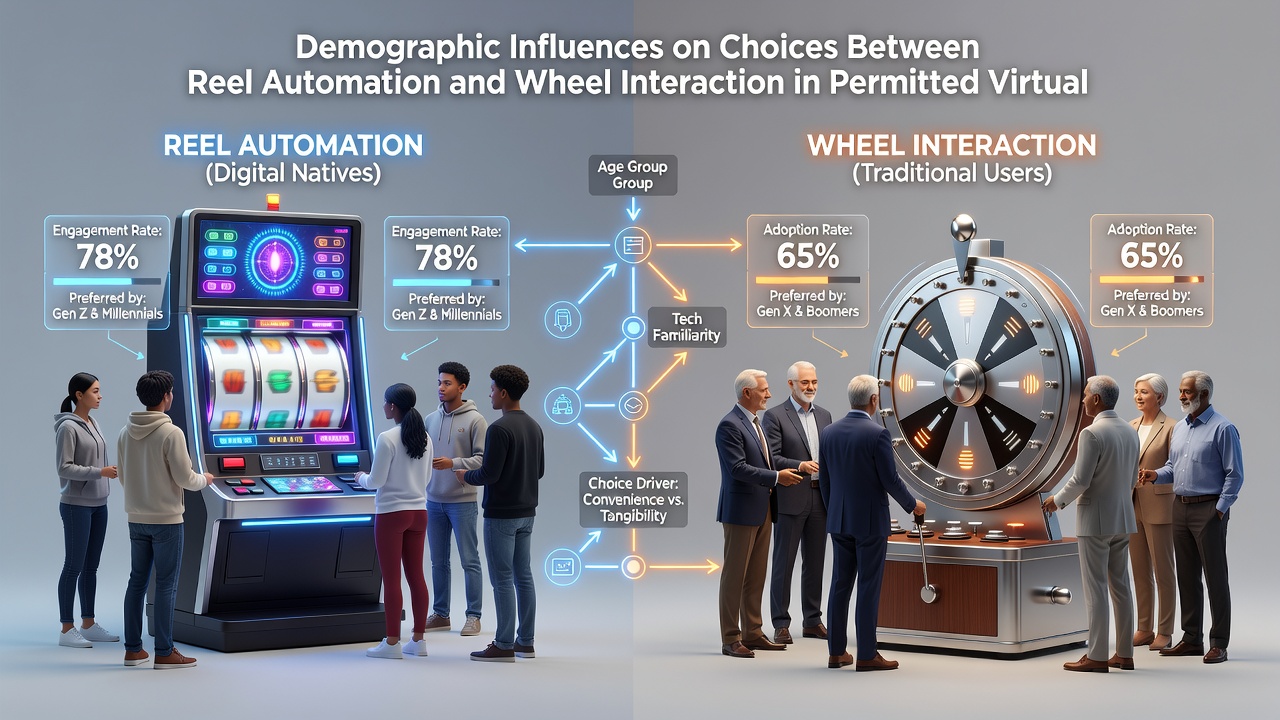
Younger adults between 21 and 34 demonstrate higher engagement with reel automation according to figures released by the New Jersey Division of Gaming Enforcement, whereas individuals aged 45 and above show stronger participation rates in wheel interaction formats during the same monitoring periods, and these trends hold steady even as mobile platforms introduce new interface options that blend both styles into single sessions.
Studies from the Canadian Centre on Substance Use and Addiction reveal that participants in the 35 to 44 bracket split their time more evenly between the two formats, yet they gravitate toward reel automation during shorter play windows while reserving wheel interaction for extended sessions that last beyond 45 minutes, and this behavior aligns with broader findings on attention patterns across digital entertainment categories.
Gender-Based Selection Patterns
Market analysis conducted by the Australian Institute of Criminology indicates that female participants in regulated online environments choose reel automation at rates approximately 18 percent higher than male counterparts in comparable age cohorts, while male players allocate greater portions of their activity to wheel interaction sessions that incorporate progressive betting sequences, and these differences persist across income brackets and geographic regions included in the dataset.
Observers note that educational attainment further refines these patterns, since individuals holding university degrees display increased experimentation with wheel interaction regardless of gender, whereas those with vocational or secondary education backgrounds maintain steadier preferences for reel automation across multiple tracking intervals through mid-2026.
Income, Location, and Cultural Factors
Income distribution plays a measurable role as well, with household earnings above the regional median correlating to higher wheel interaction frequency in data compiled by the Pennsylvania Gaming Control Board, while lower to middle income groups sustain elevated reel automation usage during peak evening hours, and these distinctions become more pronounced in markets that introduced new licensing rounds during 2025 and 2026.
Regional variations add another layer, because players located in western states with longer established tribal gaming compacts show stronger wheel interaction retention compared to eastern markets where reel automation dominates session logs, and cultural familiarity with physical casino environments appears to influence digital transitions in ways documented by university-led surveys from the University of Nevada, Las Vegas.
Technological familiarity also surfaces in the statistics, since participants who report daily smartphone use for non-gaming activities adopt hybrid sessions that switch between reel automation and wheel interaction more frequently than those with lower digital engagement scores, and platform providers have adjusted interface designs accordingly in updates rolled out before August 2026.
Conclusion
Demographic variables therefore continue to guide format selection in permitted virtual casino settings, and ongoing regulatory reporting from multiple North American and Australian sources will likely refine these understandings as participation data accumulates through the remainder of 2026 and beyond.