How Art Movements Have Inspired Design Elements in Modern Virtual Roulette Tables and Slot Machine Interfaces
Written by Morgan Günther · Aug 21, 2026
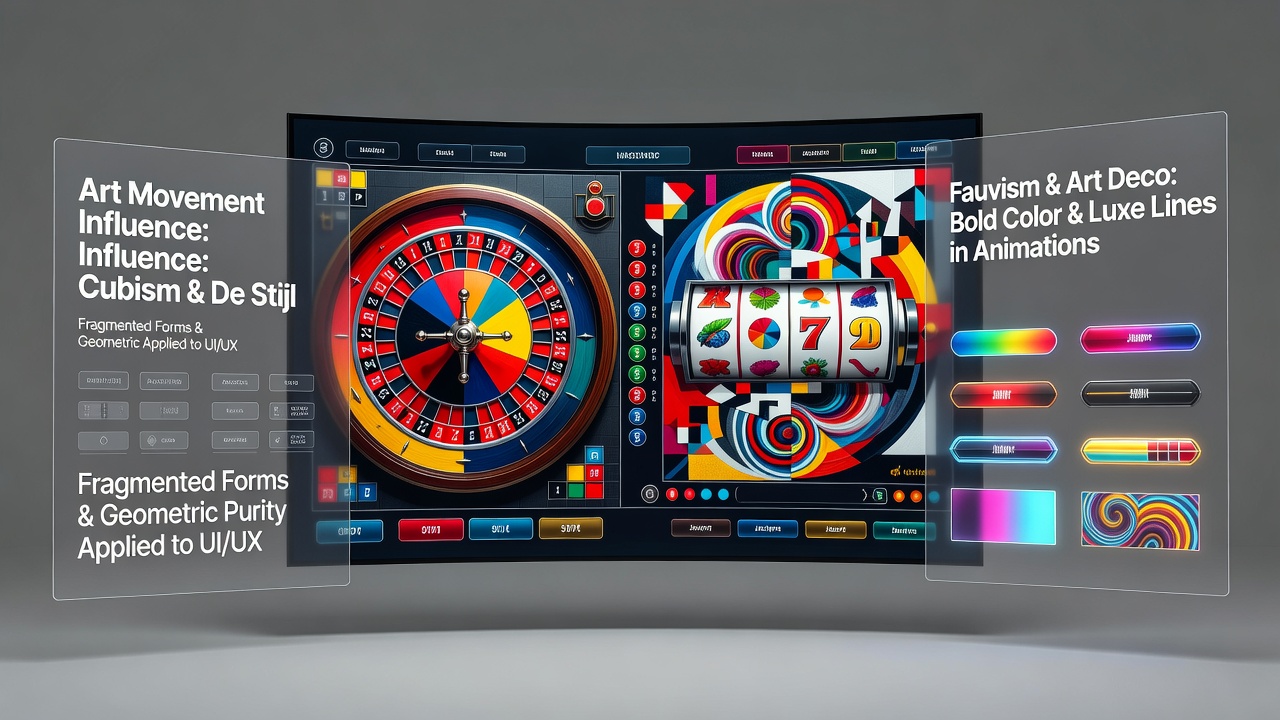
How Art Movements Have Inspired Design Elements in Modern Virtual Roulette Tables and Slot Machine Interfaces
Art movements from the early twentieth century onward have shaped the visual language of digital gambling interfaces, with developers drawing on historical aesthetics to create engaging layouts for virtual roulette tables and slot machines. Designers incorporate bold lines from Art Deco into wheel borders and reel frames, while color palettes from Fauvism appear in background gradients that shift during gameplay. These choices reflect deliberate decisions by studios to blend cultural heritage with interactive technology, resulting in interfaces that maintain visual appeal across mobile and desktop platforms.
Art Deco Influences on Roulette Layouts
Geometric symmetry and metallic accents from the Art Deco period define many modern roulette interfaces, where the betting grid features clean angular divisions and gold-toned highlights on number cells. Software teams replicate the streamlined elegance of 1920s architecture by applying similar motifs to the wheel's outer rim, creating a sense of luxury that aligns with the game's European origins. Data from industry reports indicate that such elements increase session duration in regulated markets, as players respond to the familiar yet refined visuals.
Bauhaus Principles in Slot Machine Interfaces
Functional minimalism from the Bauhaus school guides the placement of controls and information panels in digital slot games, where every icon serves a clear purpose without unnecessary ornamentation. Reel symbols often adopt the movement's emphasis on primary shapes and primary colors, allowing quick recognition during rapid spins. Observers note that these design decisions reduce cognitive load for users navigating complex bonus rounds, and studies from design research centers show improved accessibility when interfaces follow Bauhaus-derived grids.
Pop Art Elements and Symbol Selection
Bright, graphic styles rooted in Pop Art appear in symbol sets for slot machines, turning everyday objects into oversized, vibrant icons that pop against neutral backgrounds. Roulette variants sometimes integrate similar bold typography for betting options, making the interface feel dynamic and contemporary. One studio release in August 2026 introduced a limited-time slot series that layered Pop Art dots and comic-style borders onto traditional fruit symbols, demonstrating how these references evolve with seasonal updates.
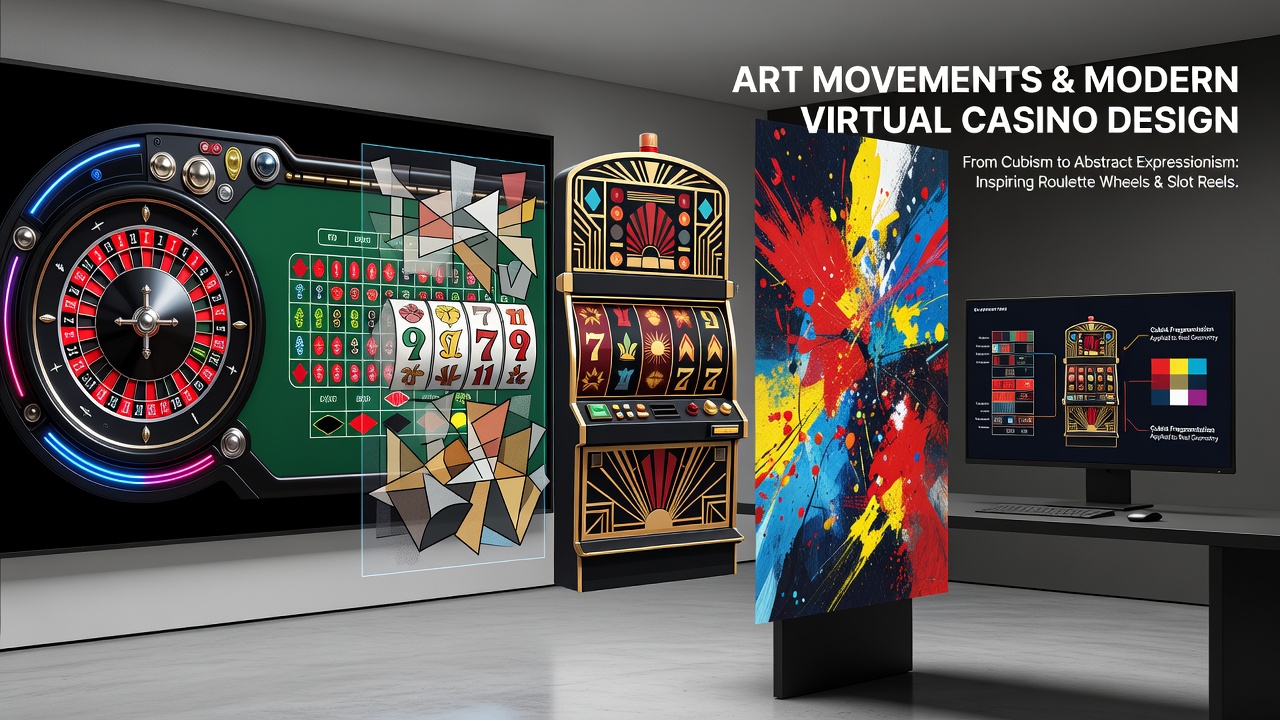
Surrealist approaches further expand creative options by introducing dreamlike juxtapositions in background animations, such as floating objects that transition into payline indicators. These techniques keep the visual narrative fresh while preserving core mechanics of teh games.
Minimalism and Contemporary Digital Trends
Minimalist aesthetics from late twentieth-century design movements translate into clean interfaces that prioritize white space and subtle gradients, helping virtual tables stand out on smaller screens. Researchers at academic institutions have documented how reduced visual clutter correlates with higher retention rates in mobile roulette applications across North American and Asian markets. Developers apply these lessons by stripping away excess detail from paytables and history panels, leaving only essential data visible during play.
According to findings published by the European Gaming and Betting Association, interfaces that balance historical art references with modern usability standards achieve broader appeal in multiple jurisdictions. The same report highlights examples where Cubist fragmentation appears in transitional animations between spins, breaking the screen into shifting planes that echo early twentieth-century paintings without overwhelming the player.
Regional Adaptations and Cultural Integration
Design teams in Australia and Canada frequently adapt Indigenous art motifs within minimalist frameworks, merging them with reel mechanics to create localized versions of popular titles. These adaptations follow guidelines from regional gaming authorities, ensuring cultural elements enhance rather than distract from gameplay. Figures released by state regulators show steady growth in engagement for such culturally informed interfaces throughout 2025 and into mid-2026.
What's interesting is the way Impressionist brushstroke effects soften the edges of digital roulette wheels in some European platforms, adding texture that mimics oil paintings while maintaining crisp readability for bet placement. This layered approach demonstrates how multiple movements coexist within a single product.
Conclusion
Historical art movements continue to supply a rich vocabulary for interface designers working on virtual roulette and slot products, with each new release building on established visual traditions. The integration of these elements supports both aesthetic variety and functional clarity, allowing platforms to differentiate themselves in competitive markets. As technology advances, further experimentation with light, motion, and cultural references will likely expand the range of influences visible on screen.