How Player Migration Patterns Between Digital Wheel Spins and Reel Sequences Shift During Major Sporting Events in Licensed Markets
Written by Morgan Günther · Jun 7, 2026
How Player Migration Patterns Between Digital Wheel Spins and Reel Sequences Shift During Major Sporting Events in Licensed Markets
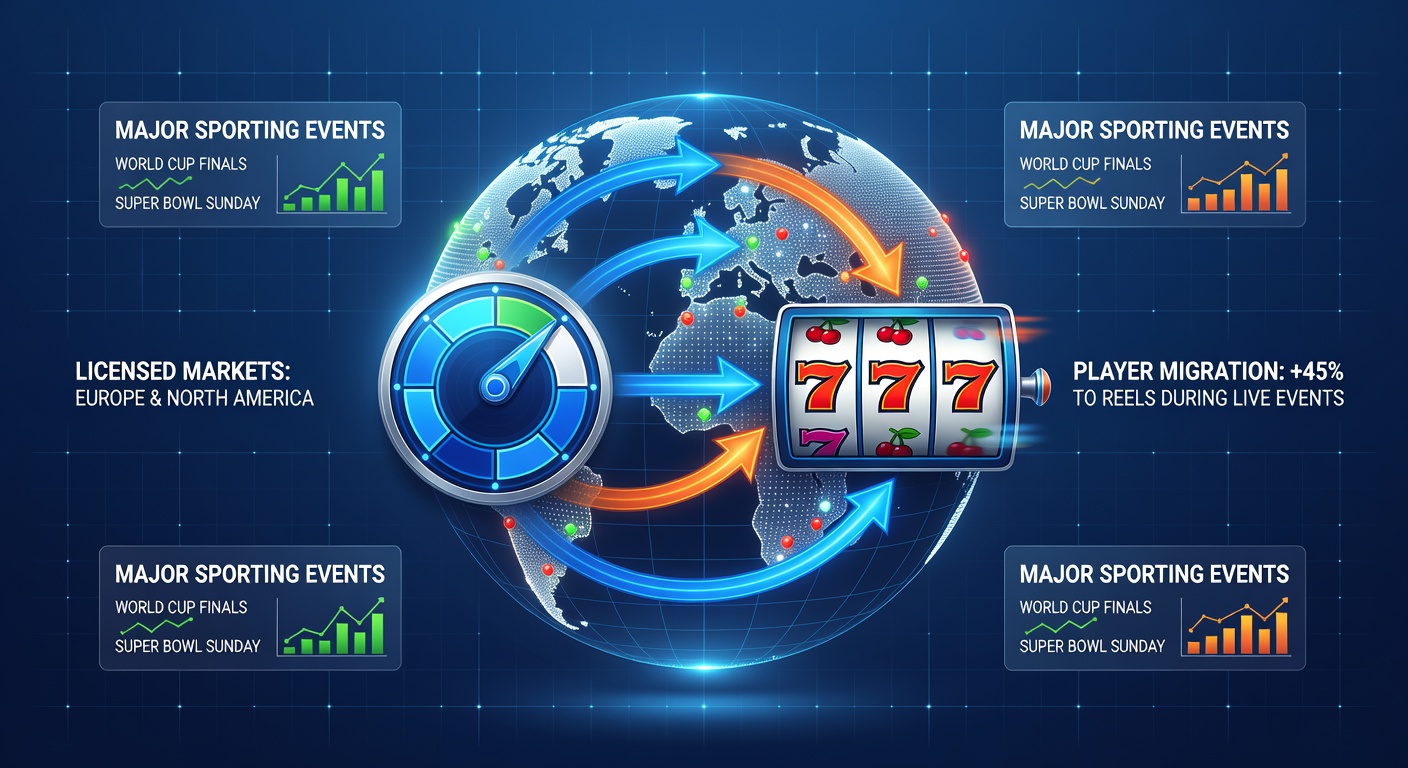
Player activity in licensed digital gambling markets reveals distinct shifts between reel sequence games and wheel spin options when major sporting events unfold, and these patterns emerge consistently across regulated jurisdictions where data tracking occurs. Licensed operators record increased engagement with wheel-based titles during high-profile competitions such as football championships or basketball finals, while reel sequences maintain steady but secondary participation levels in the same periods.
Documented Shifts in Licensed Jurisdictions
Regulatory bodies in multiple regions compile session data that shows wheel spin platforms drawing users away from reel machines once live sports betting volumes rise, yet the transition rarely eliminates reel activity entirely. In markets where operators must report detailed play metrics, analysts observe that sessions involving wheel mechanics extend longer during evening matches, whereas reel sequences attract shorter bursts often tied to quick promotional triggers. This distribution holds true whether the sporting event occurs in summer tournaments or winter leagues.
June 2026 features several international competitions that align with these tracked behaviors, and licensed platforms in North American and European markets prepare server capacity accordingly because historical logs indicate predictable migration spikes. Operators adjust interface prominence for wheel games during such windows since cross-category data demonstrates elevated switch rates from reel play to wheel options once match coverage intensifies.
Regional Data Patterns and Measurement Methods
According to figures released by the New Jersey Division of Gaming Enforcement, mobile sessions involving wheel mechanics increased proportionally during major league events while reel sequence play retained volume through bundled bonus structures. Similar reporting from the Australian Communications and Media Authority indicates parallel trends in Oceania markets, where licensed operators note that players frequently alternate between categories within single sessions rather than committing exclusively to one type.
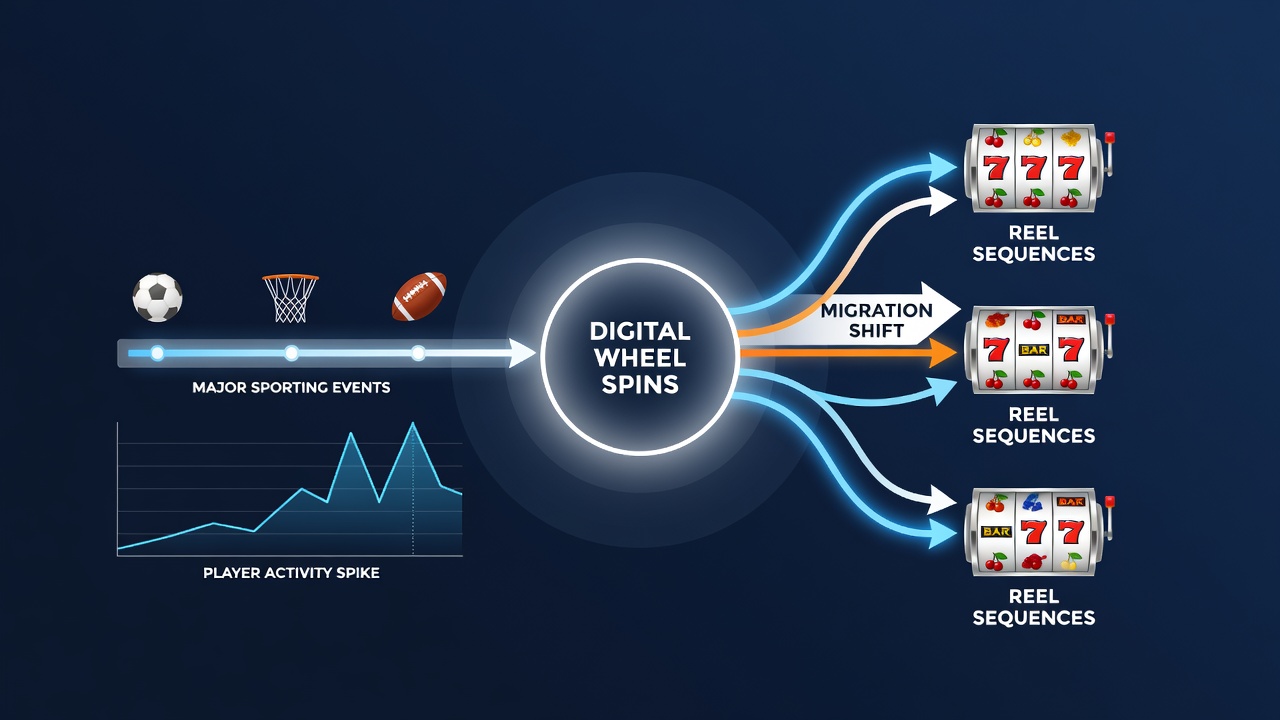
Those who examine timestamped logs across platforms find that reel sequences often serve as entry points before migration occurs, particularly when sports odds promotions appear alongside reel bonuses. Wheel spin engagement then rises as event momentum builds, creating measurable corridors of activity that researchers can map through aggregated anonymized records. The reality is these corridors appear most pronounced in jurisdictions with real-time reporting mandates.
Factors Influencing Category Transitions
Promotional mechanics play a documented role in guiding movement between the two categories, and licensed markets require clear disclosure of how bonus eligibility changes across game types. When sports events coincide with reel-specific free spin offers, initial play concentrates on reels before shifting toward wheel titles once the sports outcome nears resolution. Data sets from multiple operators show this sequence repeats across different user cohorts regardless of device preference.
Interface design elements also correlate with observed migration rates, because platforms that surface wheel spin options during live event notifications record higher transition counts than those maintaining static layouts. Observers note that single-session duration extends when players move between categories, since each offers distinct pacing that complements the rhythm of sporting broadcasts. Regulatory frameworks in several jurisdictions now require operators to log these transitions for compliance verification, which has produced richer datasets for pattern analysis.
Comparative Observations Across Event Types
International tournaments generate broader migration waves than domestic leagues in many licensed markets, yet domestic events still produce localized spikes that operators track through geofenced activity. Reel sequence popularity holds firmer during lower-stakes matches, whereas wheel spin volume climbs more sharply when championship implications intensify audience engagement. These distinctions appear in operator reports submitted to oversight bodies and help shape resource allocation for upcoming calendars.
Payment method usage sometimes aligns with category preference during events, and studies from academic institutions have begun correlating transaction types with game category switches. Licensed operators in Canada and Australia supply anonymized data to such research efforts, revealing that certain funding sources link more frequently to wheel play once sports betting integrates into the same application environment.
Conclusion
Patterns of movement between digital wheel spins and reel sequences during major sporting events continue to inform operational decisions across licensed markets, and ongoing data collection from regulatory sources supports refined forecasting models. These documented behaviors reflect structural features of both game categories and the surrounding event calendars rather than isolated anomalies. Future reporting cycles will likely expand the granularity of available metrics as additional jurisdictions adopt comprehensive tracking standards.