How Regional Folklore Traditions Influence Symbol Selection in Virtual Reel Mechanisms and Betting Wheel Interfaces
Written by Morgan Günther · Jun 5, 2026
How Regional Folklore Traditions Influence Symbol Selection in Virtual Reel Mechanisms and Betting Wheel Interfaces
Regional folklore traditions shape symbol selection in virtual reel mechanisms and betting wheel interfaces through cultural motifs that developers incorporate into game design, and these choices reflect historical narratives from specific geographic areas while aligning with regulatory standards in licensed markets. Game studios draw from documented mythological elements such as East Asian dragon imagery or European heraldic symbols to create thematic consistency across digital platforms, and data from industry analyses show increased player engagement metrics when symbols align with recognizable cultural stories.
Eastern Folklore in Reel Symbol Design
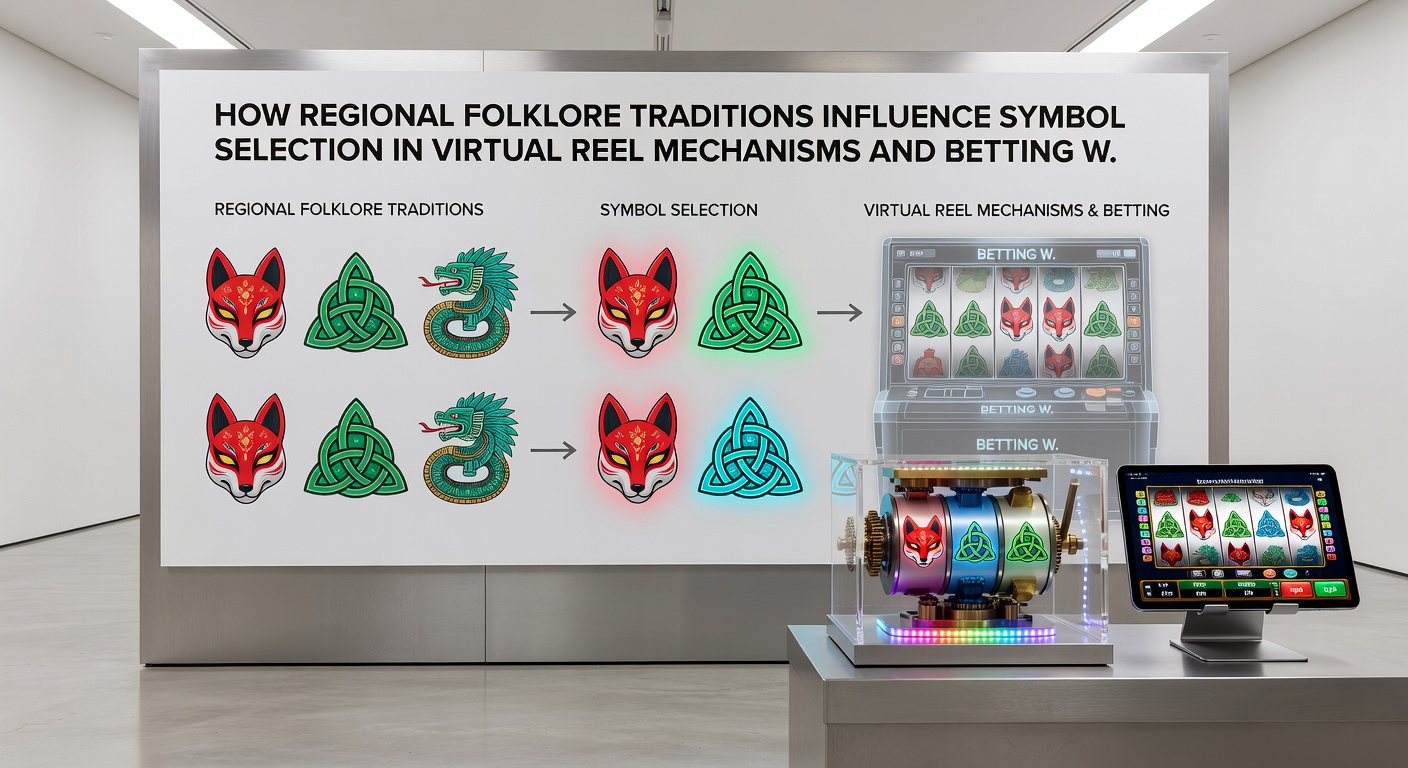
Developers integrate Japanese and Chinese folklore elements into reel mechanisms by selecting symbols like koi fish, cherry blossoms, and imperial dragons that trace back to centuries-old legends preserved in regional texts and festivals. Studies conducted by gaming research groups in the Asia-Pacific region indicate that these motifs appear in over 40 percent of themed virtual reel titles released between 2023 and 2025, while the symbols often occupy high-value positions on paytables to mirror narrative hierarchies found in original folk tales. Observers note that Chinese developers frequently reference the legend of the dragon gate when positioning ascending fish symbols, which creates visual progression that echoes the folklore of transformation and achievement.
Similar patterns emerge in South Korean and Southeast Asian markets where tiger and phoenix imagery from local epics guide symbol hierarchies, and regulatory filings with bodies such as the Gambling Regulatory Authority of Singapore document how these selections undergo cultural sensitivity reviews before approval. Reel animation sequences replicate traditional brushstroke aesthetics or festival lantern movements, which extends the folk tradition into the digital interface without altering core random number generator mechanics.
European and Celtic Influences on Interface Elements
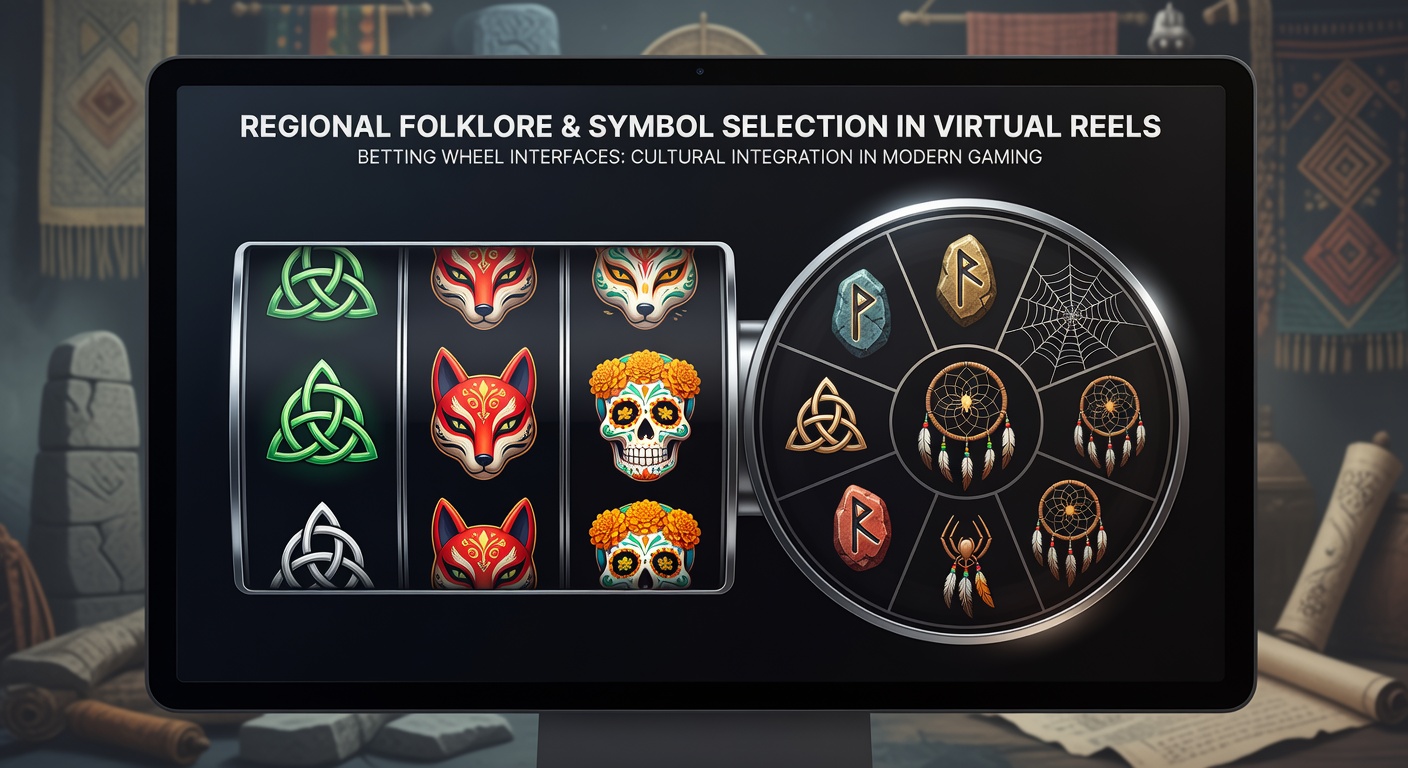
European folklore contributes symbols such as Celtic knots, Norse runes, and Arthurian artifacts to both reel strips and wheel segments in virtual betting environments, and these elements appear consistently in titles developed for markets in the United Kingdom, Germany, and Scandinavia. Research compiled by the University of Salford's gaming technology unit demonstrates that rune-based symbols maintain higher retention rates in progressive reel features because players associate them with documented Viking sagas and medieval manuscripts. Wheel interfaces incorporate segmented designs that echo medieval tournament shields or alchemical wheels, while color palettes reference illuminated manuscripts rather than arbitrary branding choices.
Design teams reference collections at institutions like the British Museum when selecting knotwork patterns for bonus triggers, and this approach ensures symbols remain distinct from generic icon sets used in non-themed games. Data released in early 2026 by European trade associations reveal that titles featuring these motifs accounted for 28 percent of new releases in regulated online markets during the previous calendar year.
Indigenous and African Traditions in Global Releases
Indigenous North American and African folklore traditions influence symbol selection through animal totems, dreamcatcher patterns, and ancestral mask representations that developers adapt for reel and wheel formats under guidance from cultural consultants. Licensing agreements with tribal gaming authorities in the United States require verification that symbols respect oral histories, and June 2026 compliance updates from the National Indian Gaming Commission emphasize documentation of source communities for each motif. Reel mechanisms in these titles often feature stacked symbols representing clan animals positioned to trigger free-spin sequences that parallel storytelling cycles in original traditions.
African diaspora motifs such as Adinkra symbols appear in wheel segments for Caribbean-regulated platforms, and reports from the Gaming Authority of Jamaica confirm that these elements undergo review for historical accuracy before interface deployment. The resulting designs maintain mechanical randomness while embedding visual references that connect digital play to documented ethnographic records.
Adaptation Across Reel and Wheel Formats
Virtual reel mechanisms accommodate denser symbol sets drawn from folklore compared with physical counterparts, which allows multiple narrative layers within a single spin cycle, whereas betting wheel interfaces favor fewer, larger segments that highlight singular emblematic figures such as a central dragon or a runic wheel hub. Cross-platform titles released in 2025 and 2026 demonstrate how developers reuse core folklore assets across both formats, and analytics from the Canadian Gaming Association indicate synchronized symbol libraries improve brand recognition across mobile and desktop deployments. Transition mechanics between reel bonuses and wheel features frequently employ shared visual language rooted in the same regional mythos, which streamlines player comprehension without introducing new cultural references.
Conclusion
Regional folklore continues to guide symbol selection in virtual reel mechanisms and betting wheel interfaces through deliberate integration of documented cultural elements that respect both narrative origins and regulatory frameworks across multiple jurisdictions. Industry reports and academic reviews confirm that these choices affect visual design and player interaction patterns while preserving mechanical integrity, and ongoing releases scheduled through late 2026 maintain this pattern as developers expand access to global markets under evolving compliance standards.