Regulatory Changes Reshaping Payout Frameworks for Mobile Roulette and Slots in Regulated Markets
Written by Clara Werner · May 24, 2026
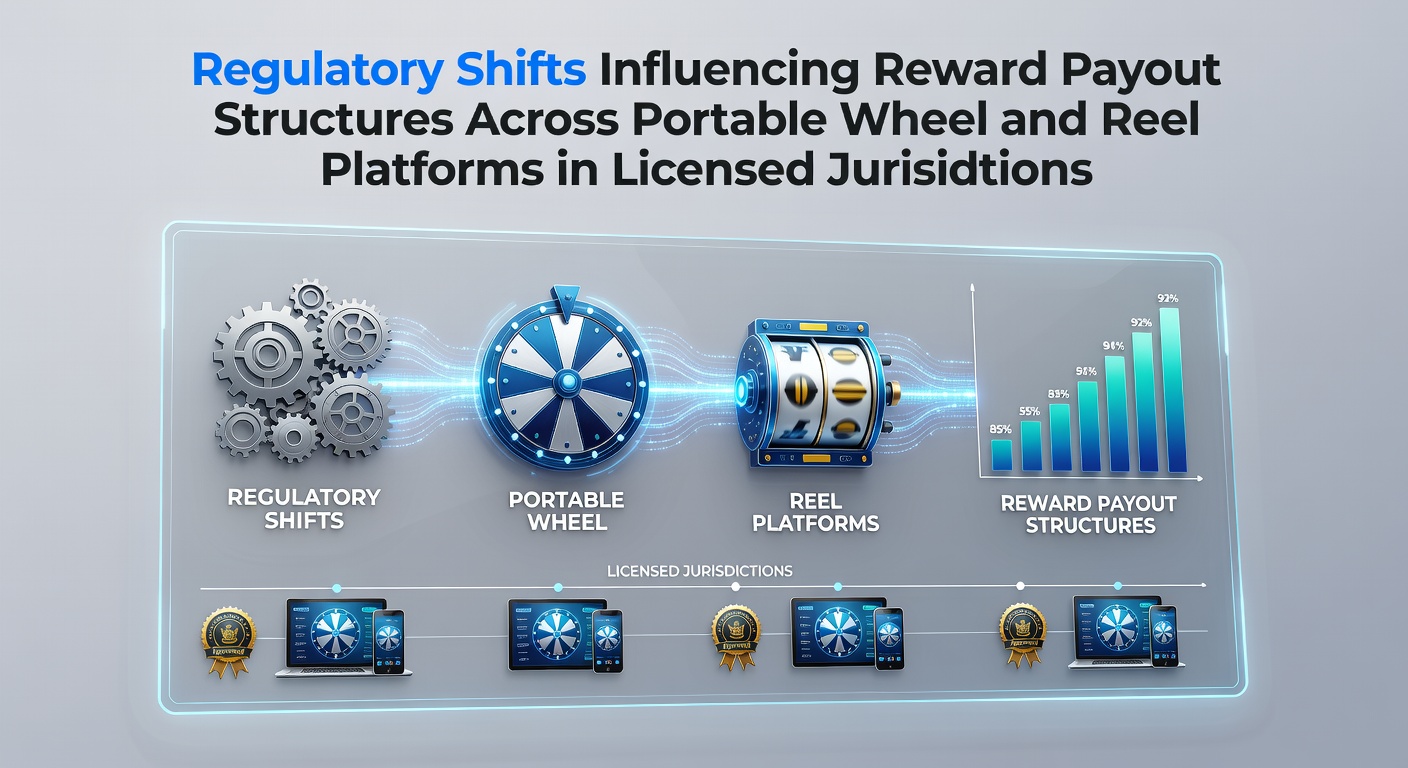
Regulatory Changes Reshaping Payout Frameworks for Mobile Roulette and Slots in Regulated Markets
Regulatory bodies across licensed jurisdictions continue to adjust rules that directly affect how reward payout structures operate on portable wheel and reel platforms, and these shifts create measurable changes in bonus mechanics, return-to-player calculations, and player reward distributions for mobile slots and roulette variants.
North American Regulatory Adjustments in Early 2026
Ontario's Alcohol and Gaming Commission implemented revised payout verification protocols in January 2026 that require mobile operators to submit real-time data on reel game reward triggers, while New Jersey's Division of Gaming Enforcement expanded similar requirements for wheel-based platforms to include mandatory disclosure of progressive contribution rates. These measures build on earlier frameworks yet introduce stricter caps on promotional credit rollover periods, limiting how long players can carry forward bonus funds before they convert into cashable rewards on portable devices.
Data released by the Ontario Lottery and Gaming Corporation shows that mobile reel platforms adjusted average payout percentages upward by 0.8 percent in the first quarter to align with new transparency standards, whereas wheel games saw adjustments concentrated around single-zero variants where jackpot seeding formulas now follow standardized intervals.
European and Australian Framework Updates
Malta's Gaming Authority introduced updated technical standards in March 2026 that mandate separate accounting for mobile reel and wheel reward pools, ensuring that bonus contributions from one game type cannot subsidize payouts in another. Australian state regulators in New South Wales and Victoria followed with parallel rules effective May 2026 that require portable platform operators to publish monthly breakdowns of reward distribution across licensed jurisdictions, focusing specifically on how progressive elements in reel games interact with live dealer wheel progressions.
These changes force operators to recalibrate their systems so that reward structures reflect jurisdiction-specific caps on maximum win multipliers, and early compliance reports indicate that several major platforms reduced certain high-volatility reel bonus features while increasing frequency-based rewards on wheel games to maintain overall player engagement metrics.

Effects on Bonus Mechanics and Reward Distribution
Operators in multiple jurisdictions report that the new verification layers require additional backend processing for every reward claim on portable devices, which in turn influences how platforms time their bonus releases and structure tiered loyalty rewards. Reel platforms now commonly tie reward eligibility to verified session lengths rather than simple deposit amounts, while wheel games incorporate mandatory cool-down periods between progressive contributions to satisfy anti-churning provisions.
Research from the University of Nevada's International Gaming Institute indicates that licensed mobile operators in regulated markets have shifted emphasis toward fixed-percentage reward allocations that scale with player activity levels, replacing older flat bonus models that previously allowed unlimited stacking across game types. This transition appears most pronounced in reel games where multiplier bonuses now carry explicit expiration tied to regulatory reporting cycles.
Cross-Jurisdiction Compliance Patterns
Platforms operating across borders must maintain separate reward ledgers for each licensed market, and this requirement has led to the development of geo-specific payout engines that automatically adjust contribution rates based on user location. Canadian and Australian operators in particular have documented reductions in cross-promotional offers between reel and wheel titles because regulators now treat those game categories as distinct risk classes with independent payout oversight.
Industry associations such as the European Gaming and Betting Association have published guidance documents that help operators map these requirements onto existing mobile architectures without disrupting core gameplay loops, and the resulting systems often feature dynamic RTP displays that update in real time to reflect current regulatory parameters.
Conclusion
Regulatory evolution continues to drive structural changes in how rewards are calculated, distributed, and verified on portable wheel and reel platforms, with May 2026 marking the activation of several overlapping compliance deadlines across North American, European, and Australian markets. These adjustments standardize reporting while constraining certain legacy bonus practices, and ongoing data collection from regulators will determine whether further refinements emerge in subsequent quarters.