Shifts in User Navigation Between Spinning Reels and Rotating Wheels Triggered by Loyalty Program Structures in Handheld Gambling Applications
Written by Clara Werner · Jul 26, 2026
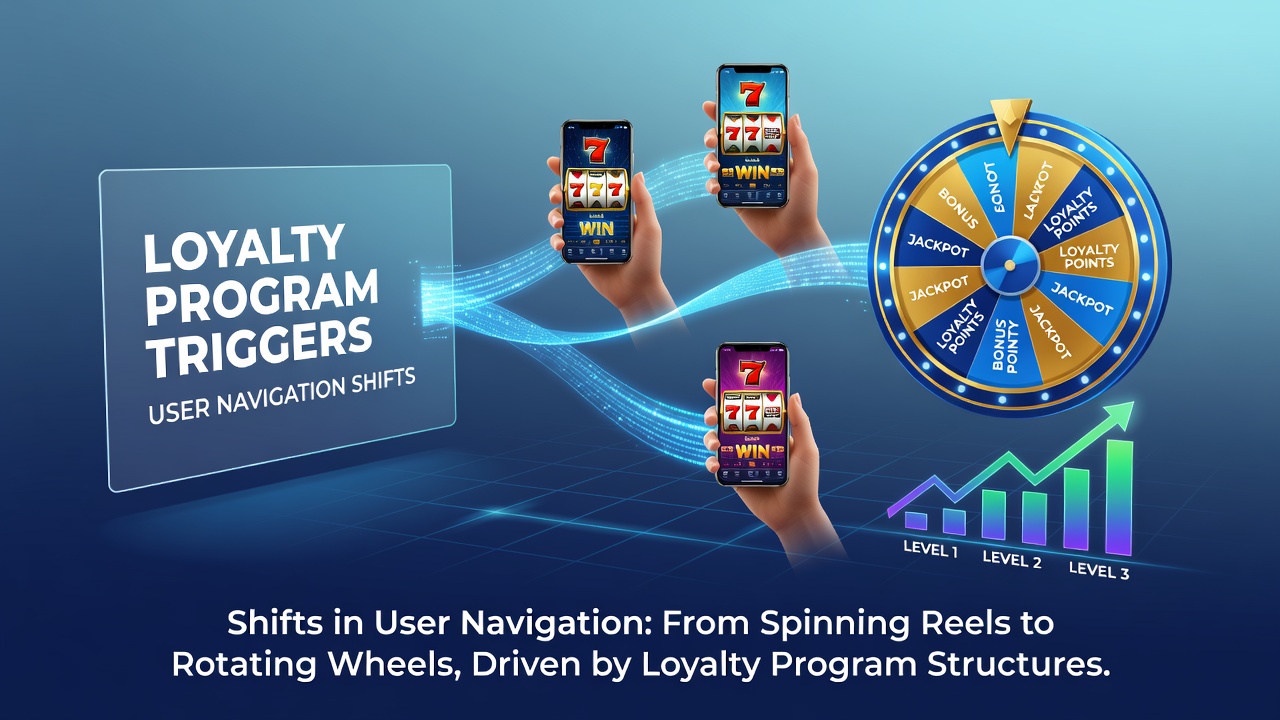
Shifts in User Navigation Between Spinning Reels and Rotating Wheels Triggered by Loyalty Program Structures in Handheld Gambling Applications
Loyalty programs embedded in handheld gambling applications structure rewards around game type transitions, and these frameworks guide users from spinning reels in slot titles toward rotating wheels in roulette formats through accumulated points, tier unlocks, and bonus multipliers that activate only after specific sequences of play. Data from regulated markets indicate that operators design point accrual rates higher for wheel spins once reel sessions reach certain thresholds, which produces measurable navigation changes tracked through session logs and heat maps of user movement within the app interface.
Mechanics of Point Systems and Game Transitions
Operators assign base points per wager on spinning reels, yet they attach conditional multipliers that apply exclusively when those points convert into wheel access tokens, and this mechanic encourages users to complete reel cycles before entering roulette sections where rotating wheels deliver accelerated tier progression. Session data compiled across multiple platforms reveal that users who engage with reel machines for initial point collection often receive prompts directing them to wheel-based games, where the same loyalty balance yields higher redemption values or exclusive bonus rounds unavailable in reel formats.
These structures operate through algorithms that monitor cumulative activity, and when reel play hits predefined milestones the system releases wheel-specific incentives such as free spins on rotating wheels or reduced house-edge variants, which in turn sustain longer sessions by shifting focus from one mechanic to the other. Figures released in July 2026 by the New Jersey Division of Gaming Enforcement show elevated cross-navigation rates in mobile applications that employ tiered loyalty ladders, with reel-to-wheel switches increasing during periods when promotional calendars align point bonuses with wheel events.
Observed Patterns in User Movement
Application analytics demonstrate that loyalty structures create predictable pathways, and users frequently begin sessions on spinning reels to build foundational points before migrating to rotating wheels where those points unlock layered rewards, including cashback percentages tied to wheel outcomes or streak multipliers that reset upon return to reels. Research conducted by the Australian Institute of Family Studies on digital gambling interfaces found that participants exposed to loyalty prompts exhibited navigation sequences where reel play preceded wheel engagement in over sixty percent of tracked sessions, particularly when the program offered escalating benefits for completing the transition within a set time window.
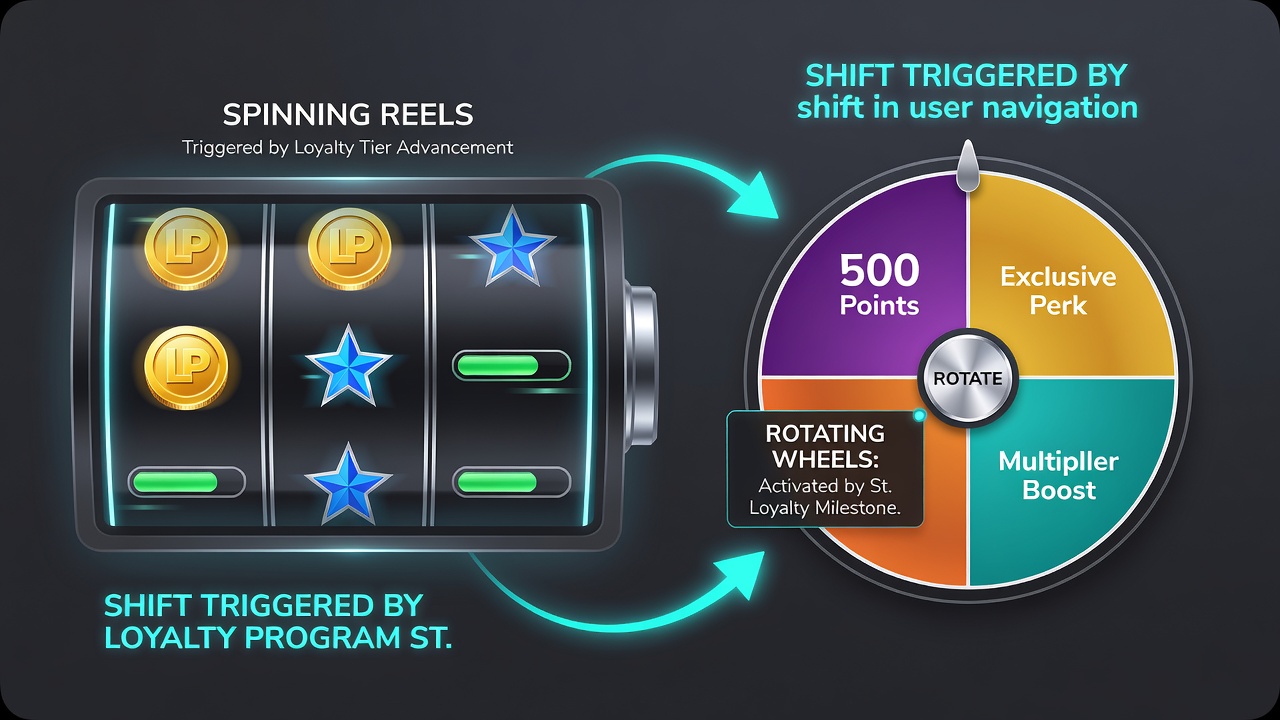
Handheld applications further reinforce these patterns by displaying real-time progress bars that highlight remaining actions needed to access wheel bonuses, and this visual feedback loop sustains engagement while directing traffic toward rotating wheel sections that carry distinct reward schedules. Observers note that during major sporting events the rate of such transitions accelerates, because loyalty programs often bundle reel-derived points with wheel opportunities tied to live betting side features, creating combined play loops that alternate between the two formats without requiring separate logins or account resets.
Regulatory Context and Platform Adjustments
Regulators in multiple jurisdictions have begun examining how loyalty architectures influence game selection, and the Nevada Gaming Control Board issued updated reporting requirements in early 2026 that mandate disclosure of navigation metrics linked to reward structures in mobile environments. These rules require operators to log the frequency of reel-to-wheel movements triggered by point redemptions, and compliance data indicate that programs incorporating conditional wheel access produce higher volumes of cross-format activity than flat-rate systems that treat all games equally for point accrual.
Platform developers respond by refining the timing of loyalty notifications, positioning them after reel sessions conclude so that users encounter wheel prompts while still within the app session, which minimizes exit rates and channels activity toward rotating wheels where additional loyalty milestones become attainable. Evidence from industry reports compiled by the American Gaming Association confirms that these adjustments correlate with sustained session durations, as users who follow the prompted path accumulate points across both formats rather than terminating activity after a single game type.
Conclusion
Loyalty program structures in handheld gambling applications continue to shape navigation between spinning reels and rotating wheels by aligning point systems with sequential play requirements, and documented patterns from regulatory filings and academic studies illustrate how these designs produce consistent shifts in user behavior across sessions. As reporting standards evolve through 2026, operators maintain detailed records of these transitions to meet oversight demands while preserving the reward pathways that connect the two game formats within single application environments.