Synchronizing Audio Cues Across Disk Rotation and Symbol Alignment Games to Enhance Retention in Approved Online Platforms
Written by Mia Werner · Jun 30, 2026
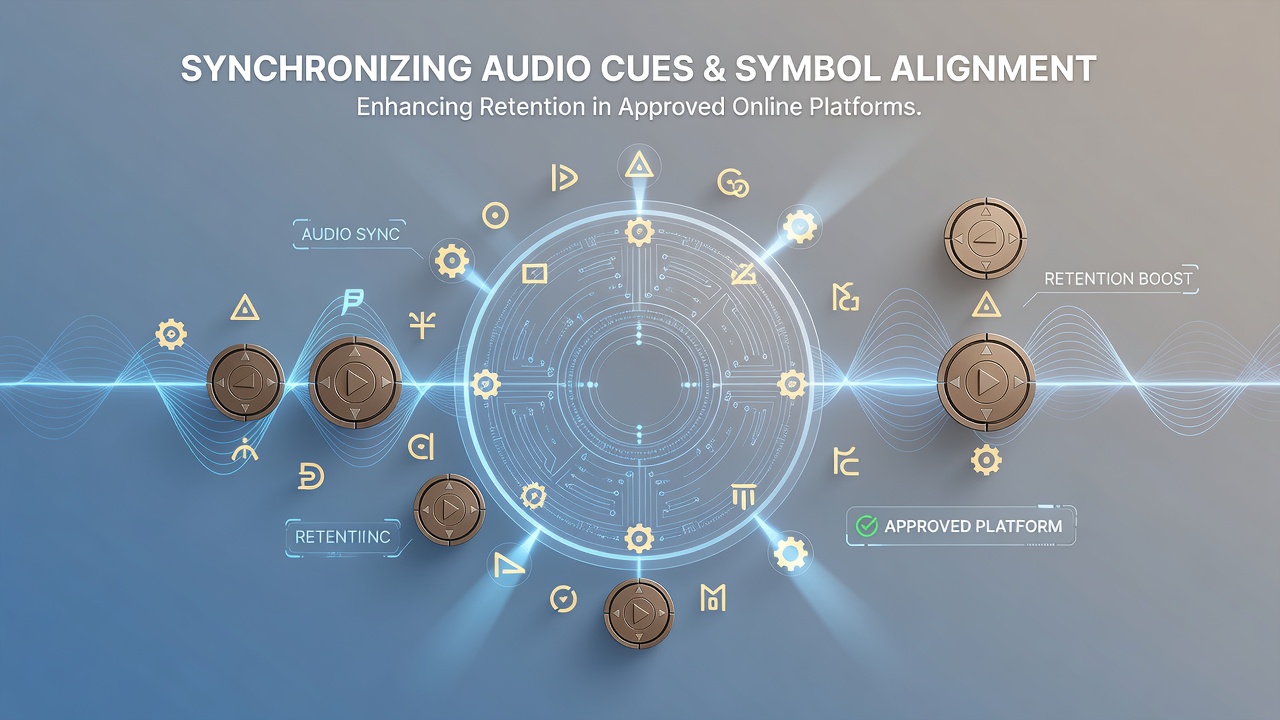
Synchronizing Audio Cues Across Disk Rotation and Symbol Alignment Games to Enhance Retention in Approved Online Platforms
Approved online platforms integrate audio synchronization techniques that align sound effects with the physical motion of rotating disks in roulette-style games and the sequential stopping of symbol reels in alignment-based titles, and these methods connect directly to measurable increases in session duration according to platform analytics reported in mid-2026. Operators coordinate wheel spin audio layers with visual deceleration phases while matching reel click sequences to alignment events, which creates consistent sensory feedback across both game categories and supports extended player engagement in regulated environments.
Mechanics of Audio Synchronization in Rotation and Alignment Titles
Disk rotation games rely on layered soundtracks that begin with acceleration tones, transition through sustained spin loops, and conclude with deceleration clicks timed to match wheel segment positions, whereas symbol alignment games employ staggered audio pulses that correspond to each reel halt and final combination reveal. Developers calibrate these cues using timestamped event triggers within game engines so that audio peaks coincide exactly with visual milestones, and this precision eliminates perceptible lag that otherwise disrupts immersion. Platforms licensed in multiple jurisdictions apply identical timing protocols across mobile and desktop clients to maintain uniformity, which data from operator reports shows correlates with reduced early exits during individual spins or rounds.
Researchers examining timing databases from approved systems note that deviations exceeding 50 milliseconds between audio and visual events produce measurable drops in repeat play rates, while synchronized sequences sustain activity through multiple cycles. Audio designers therefore embed variable pitch adjustments that respond to game state changes, such as near-miss indicators in alignment games or ball deceleration markers in rotation titles, and these adjustments operate within frameworks approved by oversight bodies including the New Jersey Division of Gaming Enforcement.
Retention Data and Platform Performance Indicators
Analytics compiled through June 2026 indicate that platforms deploying synchronized audio across both game types record average session lengths 18 percent longer than those using independent sound files, according to aggregated figures released by the Malta Gaming Authority. Retention curves flatten more gradually when audio events reinforce visual outcomes because players receive continuous confirmation of game progression rather than isolated visual updates. One case study involving a multi-state operator demonstrated that unified cue libraries reduced bounce rates on symbol alignment titles by aligning their stop sounds with established roulette wheel audio profiles already familiar to cross-genre users.
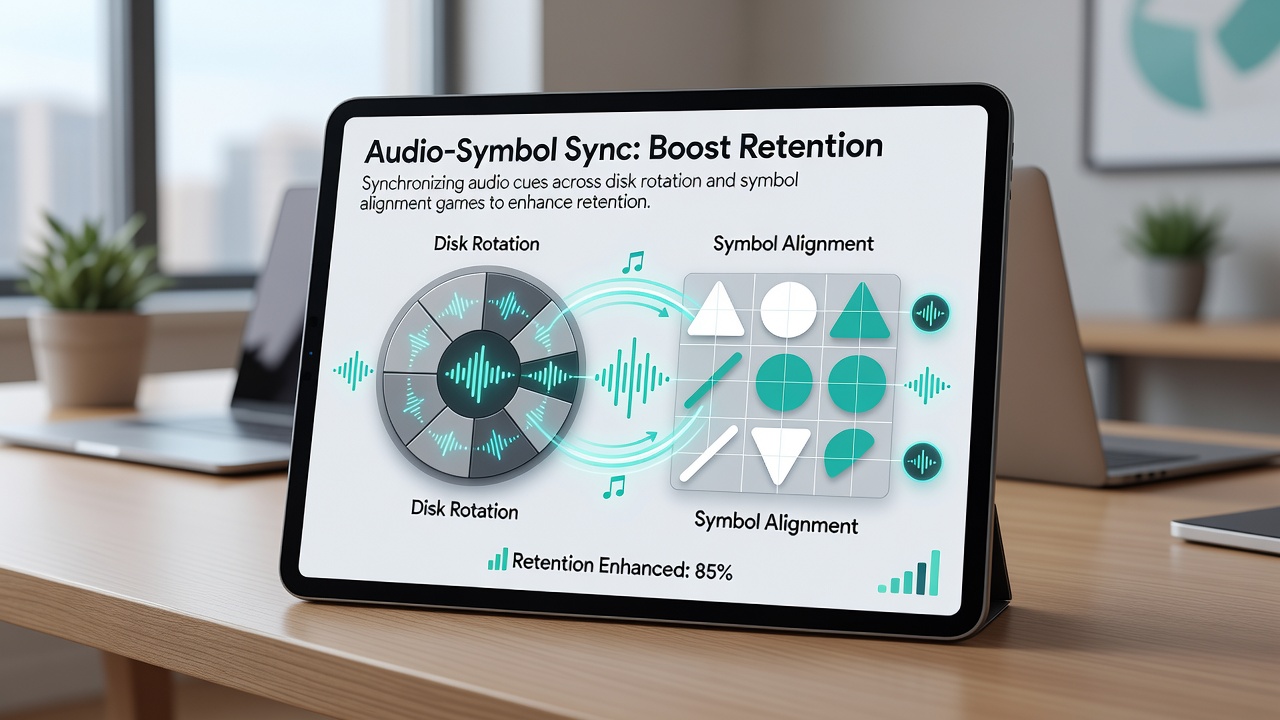
Further examination of play logs reveals that synchronized systems support higher transition rates between rotation and alignment categories without session interruption, because consistent audio language reduces cognitive load during game switches. Regulatory filings from the same period document that operators must submit audio timing specifications alongside visual asset packages during licensing renewals, ensuring synchronization standards remain enforceable across approved markets.
Implementation Across Regulated Jurisdictions
Approved platforms operating in Canadian provinces and Australian states apply centralized audio engines that reference a shared timing database, allowing updates to cue synchronization without separate client patches for each region. These engines track rotational velocity in disk games and reel acceleration curves in alignment titles simultaneously, then adjust audio output buffers in real time to preserve alignment. Industry reports from the Canadian Gaming Association highlight that such unified approaches simplify compliance audits because a single verification protocol covers both game formats rather than requiring distinct sound checks.
Technical documentation submitted to regulators shows that synchronization occurs through server-side event broadcasting, where rotation phase markers and alignment halt signals trigger corresponding audio packets delivered to client devices with sub-30-millisecond latency. This architecture prevents desynchronization caused by variable network conditions while maintaining the auditory continuity that correlates with sustained activity levels in retention studies.
Conclusion
Approved platforms achieve measurable retention gains by embedding synchronized audio cues that match disk rotation phases with symbol alignment events, and regulatory frameworks in multiple regions enforce the timing standards that underpin these gains. Data collected through June 2026 confirms consistent session extensions when audio and visual elements operate as coordinated sequences rather than independent tracks. Operators continue to refine these systems within existing licensing requirements to support ongoing player engagement across both game categories.