The Mechanics Behind Cross-Device Sync Failures in Reel and Wheel Sessions Across Licensed Platforms
Written by Clara Werner · Aug 2, 2026
The Mechanics Behind Cross-Device Sync Failures in Reel and Wheel Sessions Across Licensed Platforms
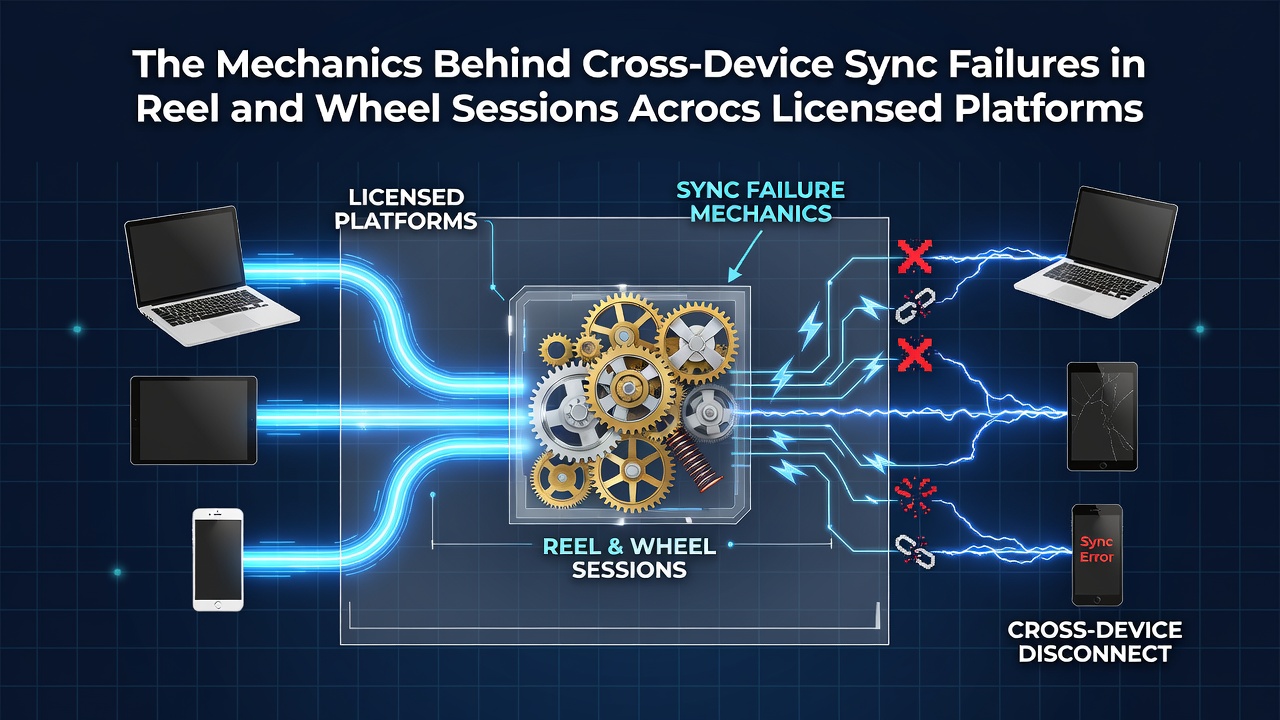
Cross-device synchronization in licensed reel and wheel platforms relies on session tokens that track player state across smartphones, tablets, and desktops, yet these systems frequently encounter breakdowns when network conditions shift or device handshakes fail to align properly. Licensed operators maintain central servers that store reel spin outcomes and wheel result histories, while client applications on each device pull updates through API endpoints designed for real-time consistency.
Core Components of Session State Management
Reel sessions generate sequences through certified random number generators that produce results for each spin, and these outcomes must replicate exactly when a player switches devices mid-session. Wheel sessions operate similarly for RNG variants, though live dealer wheels add an extra layer of video stream synchronization that ties visual feeds to betting records. Platform architectures use database replication across regional data centers to keep balances, active bets, and game histories current, but replication lags surface when one server node processes an update faster than its counterpart confirms receipt.
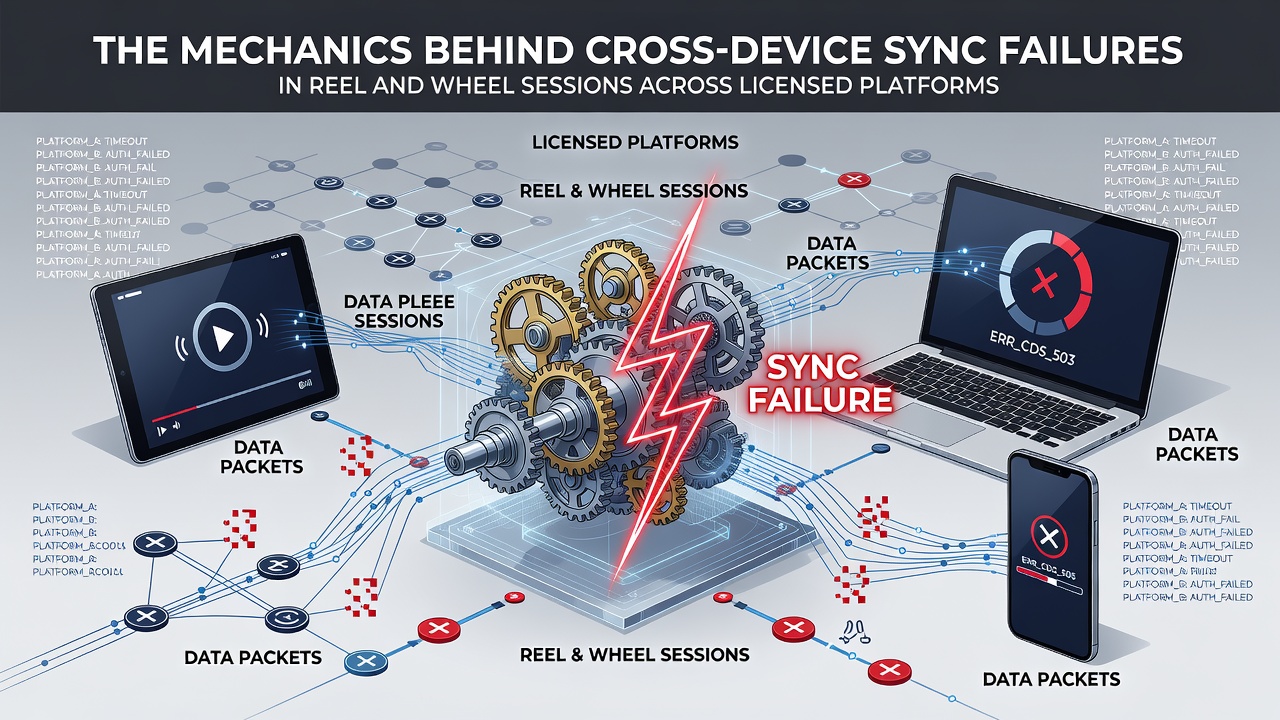
Authentication layers add another checkpoint where device fingerprints and token expiration times must match the central authority, and mismatches occur when a player logs in from a new network without completing the full re-authentication cycle. Data packets carrying reel positions or wheel stop angles travel through encrypted channels that sometimes drop fragments during high-traffic periods, leaving the receiving device with incomplete information that prevents seamless continuation.
Common Points of Failure in Data Exchange
Latency spikes between the player's current device and the licensing jurisdiction's servers create windows where cached local data conflicts with fresh server records. Reel games store long strings of recent outcomes to support features such as bonus triggers, while wheel interfaces maintain shorter but more time-sensitive records tied to betting windows. When a tablet reports a spin result before the phone acknowledges the same transaction, the system flags a state divergence that forces a manual refresh or session reset.
August 2026 saw multiple licensed platforms report increased sync incidents during peak evening hours, coinciding with software updates rolled out across several jurisdictions. These incidents traced back to version mismatches in the client libraries responsible for handling push notifications that alert devices of new reel results or wheel outcomes. Observers note that operators using multi-cloud setups experienced higher failure rates because routing logic between availability zones occasionally directed traffic to a node still running the prior software build.
Regulatory and Technical Standards at Play
Regulatory frameworks in places such as Nevada and New Jersey require operators to log every state transition for audit purposes, which means sync failures must be recorded and reconciled before play resumes. The Pennsylvania Gaming Control Board publishes technical bulletins that outline minimum requirements for session persistence across devices, and these documents emphasize the need for idempotent API calls that prevent duplicate bets when a device reconnects after a brief outage. Industry groups like the Canadian Gaming Association have compiled case studies showing how reel and wheel platforms handle edge cases involving simultaneous logins from different operating systems.
Device-specific variables such as screen resolution and input method also influence how the client renders pending reel sequences or wheel animations, and discrepancies in rendering engines can cause the player to see different visual states even when the underlying server data matches. Background processes on mobile operating systems sometimes interrupt the persistent connection required for live wheel updates, forcing the application to fall back to polling intervals that introduce additional delay.
Recovery Mechanisms and Their Limitations
Most licensed platforms implement reconciliation routines that compare local device logs against the authoritative server record upon reconnection, yet these routines can take several seconds to complete when the volume of unsynced reel or wheel events exceeds normal thresholds. Players who switch devices during a bonus round on a reel game may encounter frozen progress indicators until the system validates each prior outcome against the certified RNG seed. Wheel sessions that involve live dealer feeds face the added challenge of re-synchronizing video timestamps with betting ledgers, and brief audio-video desyncs compound the perception of a failed session even when financial records remain intact.
Platform engineers address these issues through heartbeat signals that confirm device presence at regular intervals, but heartbeats themselves consume bandwidth and battery resources, leading some operators to reduce frequency on certain device classes. The resulting trade-off leaves gaps where a player can initiate an action on one device while the second device still believes the session is idle.
Conclusion
Cross-device sync failures in reel and wheel environments stem from the interplay of network variability, authentication strictness, and the need to preserve exact game states across heterogeneous client hardware. Licensed platforms continue to refine replication protocols and notification systems to reduce these interruptions, drawing on performance data collected throughout 2026. The underlying mechanics remain centered on accurate token management, timely database commits, and consistent handling of RNG outputs or live wheel results whenever a player transitions between devices.