Wheels of Influence: Mapping Psychological Anchoring Effects Across Digital Reel Sequences and Betting Circle Dynamics in Regulated Platforms
Written by Ines Schmidt · Jun 28, 2026

Wheels of Influence: Mapping Psychological Anchoring Effects Across Digital Reel Sequences and Betting Circle Dynamics in Regulated Platforms
Psychological anchoring effects shape how players interact with digital reel sequences and betting circles on regulated platforms, where initial information such as displayed bet minimums, payout percentages, or early outcomes influences subsequent wagering decisions. Researchers have documented these patterns across licensed markets in multiple jurisdictions, noting that the first piece of numerical data presented often serves as a reference point for later choices even when additional information becomes available. Platforms operating under oversight from bodies like the New Jersey Division of Gaming Enforcement track these dynamics through player behavior logs, revealing consistent tendencies for bet sizes to cluster around early anchors rather than adjusting fully to updated odds or sequences.
Anchoring Mechanisms in Digital Reel Sequences
Digital reel sequences present multiple opportunities for anchoring because each spin delivers immediate numerical feedback that carries forward into the next decision cycle. Studies from academic institutions including the University of Nevada, Las Vegas have examined how the size of the first win or loss sets an expectation level that persists across dozens of subsequent spins, with data logs showing reduced variation in stake amounts once that initial reference point establishes itself. Regulated operators implement responsible gaming tools that display session statistics, yet evidence indicates players frequently treat the opening reel result as the baseline for evaluating later outcomes, leading to sustained play patterns that mirror the early anchor rather than independent calculations of return-to-player values.
Platform algorithms in states such as Pennsylvania and Michigan display win amounts prominently at the start of sessions, creating visual anchors that interact with reel mechanics. Observers note that when an early spin produces a moderate payout, subsequent reel selections tend to remain within similar bet ranges, whereas larger initial results correlate with temporary upward adjustments that later stabilize around the new reference. These patterns appear in aggregated reports released by gaming control boards, where session duration and total wagered amounts demonstrate the lasting impact of the first few reel outcomes across thousands of player accounts.
Betting Circle Dynamics and Reference Points
Betting circles in digital roulette variants establish spatial and numerical anchors through layout design and minimum wager displays that guide player selections from the outset. The placement of chip denominations around the circle and the highlighted minimum bet area create immediate reference points, with transaction data showing that most wagers begin near those displayed values before any progression occurs. In regulated environments, operators must adhere to rules that standardize these displays, yet the anchoring effect persists because players compare subsequent bets against the initial circle configuration rather than recalculating odds independently for each round.
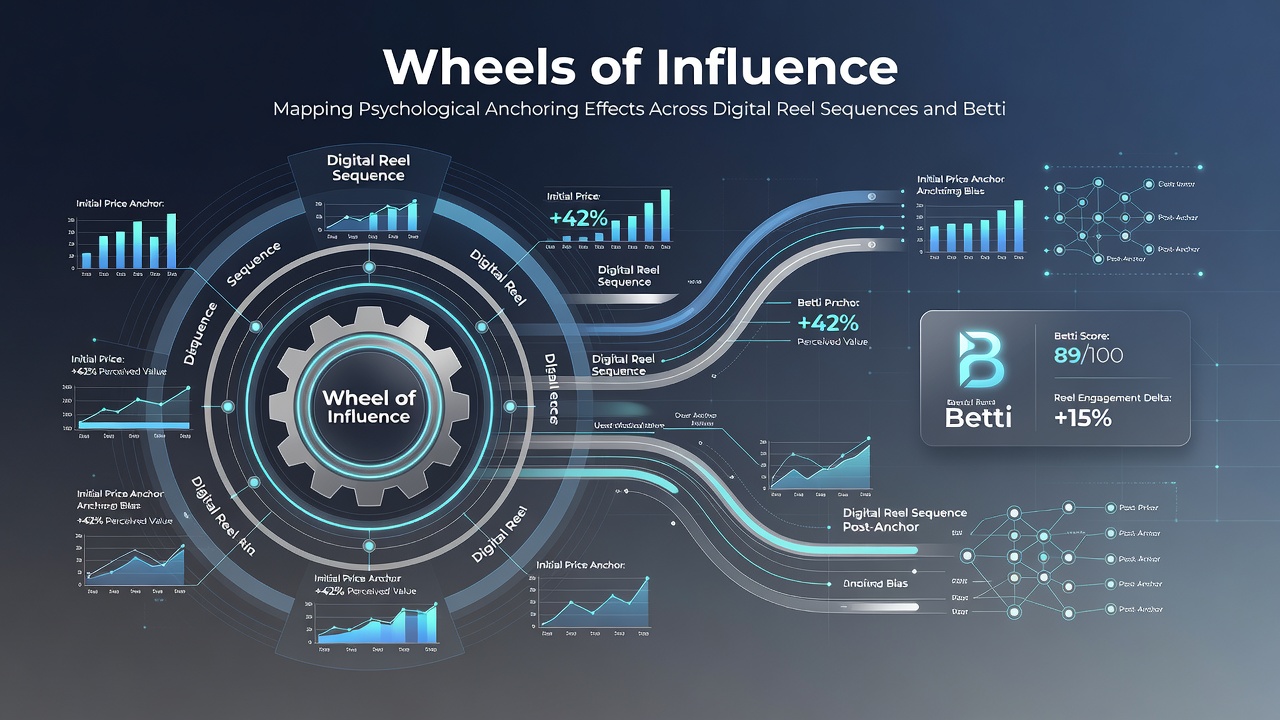
June 2026 data releases from several North American regulators showed measurable clustering around opening bet levels in live dealer and RNG roulette products, with average stake adjustments remaining smaller than expected under random models. Cross-platform analysis further reveals that players migrating between reel sequences and betting circles often carry the numerical anchor from one game type into the other, maintaining similar per-round exposure levels even when game mathematics differ substantially. Such migration patterns have prompted some operators to introduce visual resets between game switches, although longitudinal tracking indicates the carryover effect diminishes only gradually over extended sessions.
Cross-Sequence Interactions on Regulated Platforms
Interactions between reel sequences and betting circles amplify anchoring when players alternate between the two formats within the same session. Transaction records from licensed operators demonstrate that an early reel win frequently elevates the reference point applied when the same player moves to a roulette circle, resulting in higher initial wagers than would occur in an isolated roulette session. Conversely, a conservative start on the betting circle tends to constrain subsequent reel stakes, illustrating bidirectional influence that regulatory monitoring systems now flag for responsible gaming interventions.
Industry reports compiled by organizations such as the American Gaming Association highlight how these transitions appear consistently across mobile and desktop interfaces in controlled markets. Software updates in 2025 and 2026 introduced clearer session summaries that present cumulative data rather than isolated early results, aiming to dilute single-point anchors, while player behavior metrics indicate partial success in reducing extreme adjustments yet persistent adherence to moderate reference values established at session start.
Regulatory Frameworks and Platform Responses
Regulated platforms must balance commercial objectives with oversight requirements that address potential exploitation of cognitive biases. Canadian provincial authorities in Ontario and British Columbia have incorporated anchoring considerations into their compliance frameworks, requiring operators to conduct periodic audits of how initial displays affect wagering trajectories. These audits rely on anonymized datasets that quantify deviation from expected random distributions, providing quantitative evidence of anchoring without attributing intent to any specific design choice.
European regulators outside the United Kingdom, including the Malta Gaming Authority, have examined similar phenomena in cross-border licensed operations, issuing guidance on display standardization that seeks to minimize unintended reference points. Platform developers respond by randomizing certain visual elements and introducing mid-session prompts that encourage independent evaluation, measures that appear in operational logs as incremental shifts rather than complete elimination of anchoring patterns.
Conclusion
Mapping psychological anchoring effects across digital reel sequences and betting circle dynamics reveals measurable patterns documented in regulatory data and academic studies from multiple jurisdictions. Initial numerical and spatial information continues to shape wagering behavior even under strict licensing regimes, prompting ongoing refinements in interface design and compliance monitoring. As platforms evolve through 2026, tracking these reference-point influences remains central to understanding player decision processes within regulated environments.