10 Apr 2026
Wisconsin Becomes 33rd State to Legalize Online Sports Betting Through Tribal-Led Model

The Landmark Signing on April 9, 2026
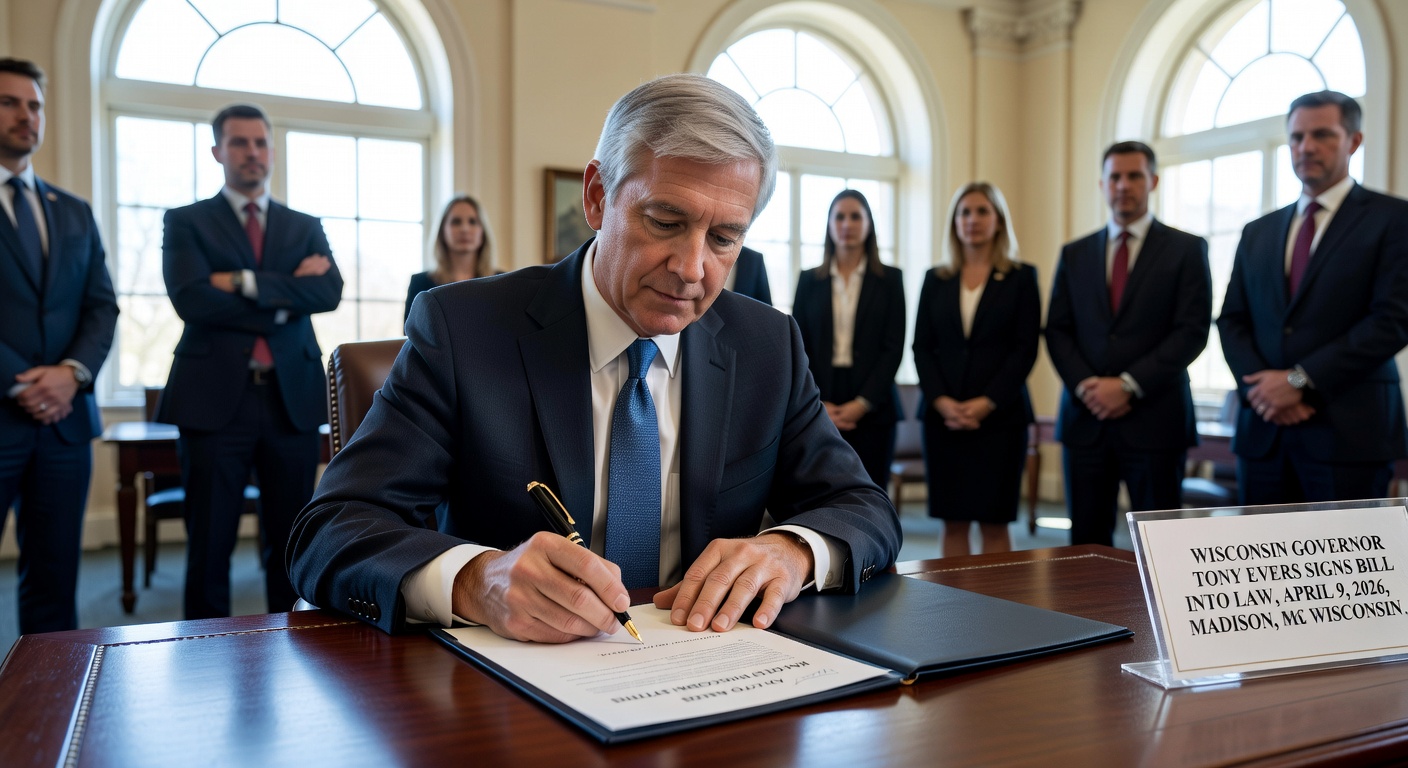
Governor Tony Evers put pen to paper in Madison on April 9, 2026, transforming Wisconsin's gambling landscape forever; the bipartisan bill he signed positions the state as the 33rd in the nation to greenlight online sports betting, but with a twist that keeps operations squarely in the hands of the state's 11 federally recognized tribes. According to AP News reports, this legislation mandates a unique hub-and-spoke setup where all betting infrastructure—like servers and data hubs—must reside on tribal lands, allowing apps to serve bettors across the entire state while ensuring tribes control the action. And that's where things get interesting; lawmakers from both sides of the aisle rallied behind the measure, recognizing its potential to curb shadowy offshore operations that siphon billions away from regulated markets.
Observers note how this move aligns Wisconsin with a growing wave of states tailoring sports wagering to protect tribal sovereignty, something experts who've tracked gaming expansions have seen play out in places like Michigan and New Mexico; the bill requires those 11 tribes to hammer out negotiations for fair implementation, meaning no single group dominates the market, which fosters collaboration rather than cutthroat competition. What's significant here is the timing—months after heated debates in the legislature, the governor's signature clears the path for launches potentially later in 2026, giving bettors in the Badger State a legal alternative to unregulated sites.
Unpacking the Hub-and-Spoke Model
At the heart of this law sits the hub-and-spoke framework, a system where "hubs" on tribal reservations host the critical tech backbone—think secure servers processing wagers—while "spokes" extend digital access statewide via mobile apps; data from the National Indian Gaming Commission highlights how such models preserve federal trust lands' exclusivity, preventing non-tribal entities from muscling in on what tribes have built over decades through brick-and-mortar casinos. Tribes like the Ho-Chunk Nation, Oneida Nation, and Menominee Indian Tribe of Wisconsin stand to benefit directly, as the infrastructure requirement ties revenue streams back to their sovereign territories.
But here's the thing: this isn't just about tech logistics; it enforces equity among the tribes, since the bill compels them to negotiate terms that spread opportunities evenly, avoiding the pitfalls seen in states where bigger players overshadow smaller ones. Researchers who've studied similar setups, such as those detailed in reports from the Journal of Gambling Studies, point out that hub-and-spoke reduces fragmentation, letting tribes pool resources for marketing, compliance, and innovation—imagine unified apps branded with tribal motifs drawing in fans during Packers games or Brewers playoffs. Short and sweet: compliance stays tight, with all bets routed through tribal hubs for real-time oversight.
Tribal Control and Bipartisan Backing
Those 11 tribes—ranging from the Lac du Flambeau Band of Lake Superior Chippewa to the Stockbridge-Munsee Community—now hold the reins exclusively, a nod to long-standing compacts that have fueled Wisconsin's gaming economy since the 1990s; bipartisan support emerged because Republicans championed tribal exclusivity to honor sovereignty, while Democrats pushed for the social safeguards baked into the bill, creating a rare unity in a divided Capitol. Figures reveal that illegal offshore betting already costs states like Wisconsin upwards of $100 million annually in lost taxes, per estimates from industry trackers, so legalizing under tribal management plugs that leak while generating fresh revenue.
And yet, the negotiations clause adds a layer of intrigue; tribes must convene to divvy up market share, tech investments, and profit splits, with the state stepping in only if talks stall—think of it as a built-in mediator for what could otherwise turn into a standoff. People who've followed tribal gaming know this collaborative bent mirrors successes in neighboring states, where shared platforms boosted overall handle by double digits within the first year.
Tackling Illegal Betting and Boosting Public Health
One of the bill's sharpest aims targets the underground market, where offshore operators dodge taxes and offer zero consumer protections; by launching regulated tribal apps, Wisconsin shifts bettors toward verified platforms with age checks, geofencing, and self-exclusion tools, much like systems that slashed illegal wagers by 40% in states such as New Jersey after legalization. Turns out, the revenue doesn't just pad tribal coffers—it funnels directly into mental health initiatives and opioid crisis responses, addressing two public health fronts that have strained state budgets for years.
Studies from the American Gaming Association indicate that sports betting taxes nationwide have already poured over $4 billion into such programs since 2018, and Wisconsin's slice could hit tens of millions annually once operations ramp up; lawmakers allocated portions specifically for addiction counseling, treatment centers, and prevention campaigns, tying gambling proceeds to healing rather than just highways or schools. It's noteworthy that this dual-purpose funding resonates across party lines, as rural districts hit hard by opioids see direct benefits from tribal-led betting.
- Mental health grants for counseling services statewide.
- Opioid abatement funds for rehab facilities and awareness drives.
- Consumer education on responsible wagering through tribal apps.
Timeline and Rollout Expectations
With the ink dry as of April 9, 2026, tribes now pivot to the real work: building out those hub facilities, securing software partners, and finalizing inter-tribal pacts, all under Division of Gaming oversight; betting won't flip on overnight, but observers peg first wagers for late summer or fall, aligning with football season to maximize early adoption. Take one parallel from Connecticut, where tribal online launches drew 200,000 users in months via similar models—Wisconsin bettors, long accustomed to tribal casinos, likely follow suit quickly.
Now, regulatory hurdles loom small since the bill streamlines approvals, but tech integrations and staff training take time; apps will feature live odds on NBA, NFL, and college hoops—huge in a hoops-hotbed state—while prohibiting in-state college bets to shield amateur athletics, per standard safeguards. The reality is, this positions Wisconsin competitively against neighbors like Michigan, where retail and online betting coexist, drawing cross-border traffic legally.
Key Milestones Ahead
- Tribal negotiations conclude by mid-2026.
- Hub infrastructure online by Q3 2026.
- App beta testing and public launch shortly after.
Broader Implications for Tribal Gaming
Experts who've mapped the U.S. sports betting boom observe how Wisconsin's tribal-exclusive path reinforces a patchwork of state models, from commercial-heavy Nevada to hybrid setups elsewhere; data shows tribal states generate 20-30% higher per-capita handles when sovereignty drives the market, as unified operations cut costs and boost trust. So, while 33 states now offer online wagering, Wisconsin's emphasis on its 11 tribes sets a blueprint for others eyeing similar compacts—think Minnesota or Oklahoma next.
That's where the rubber meets the road: this law not only combats illegality but elevates tribes as gaming innovators, funding sovereignty while tackling societal challenges head-on. And with launches on the horizon, Badger State fans gear up for a new era of legal, tribal-powered action.
Conclusion
Governor Evers' signature on April 9, 2026, cements Wisconsin as the 33rd state with online sports betting, channeling it through a tribal hub-and-spoke system that prioritizes equity, sovereignty, and public good; tribes negotiate implementations, illegal betting fades, and funds flow to mental health and opioids— all while paving a rollout in coming months. Observers see this as a model win, blending bipartisan pragmatism with cultural respect, setting the stage for a regulated boom that benefits all stakeholders.